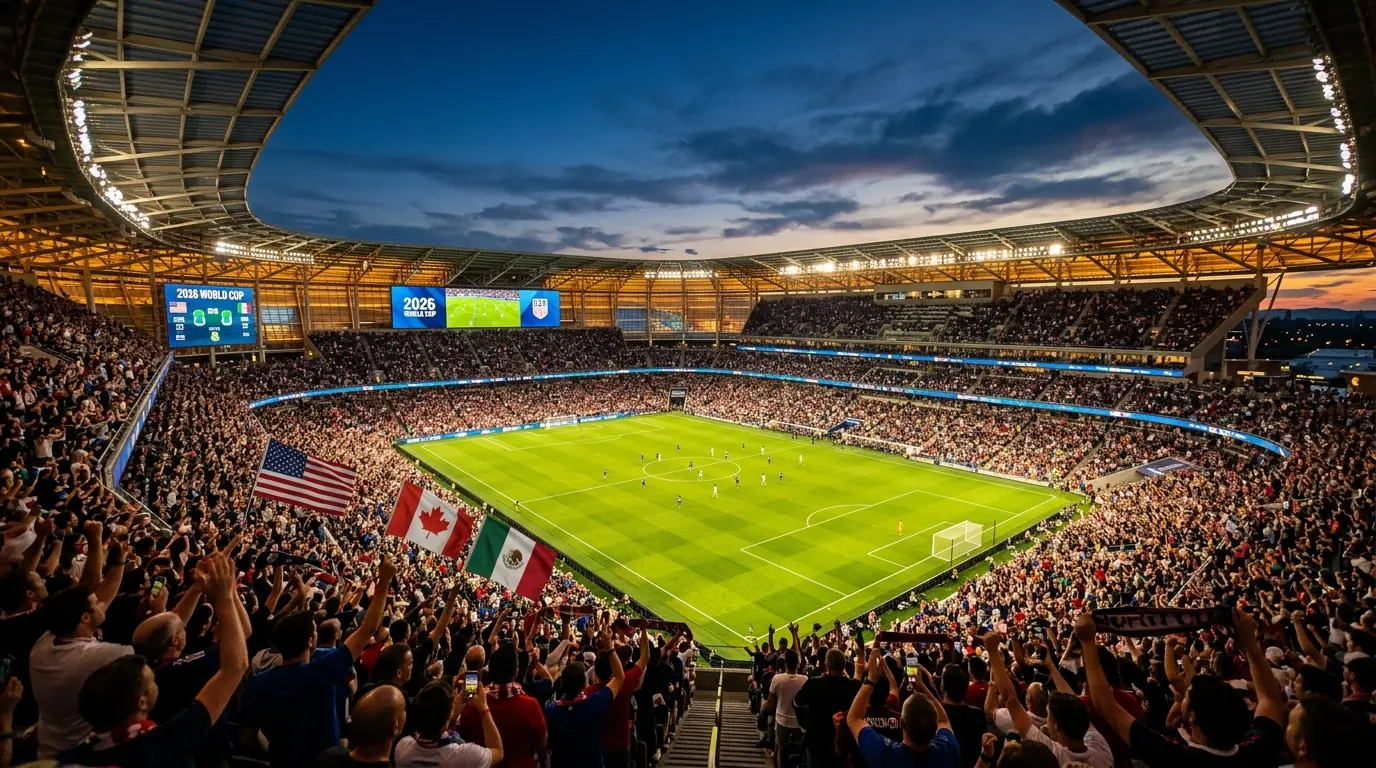

The 2026 FIFA World Cup is the biggest commercial event football has ever put on. It is the first tournament with 48 teams, the first spread across three countries, and the first to pack in 104 matches. Behind every match ball, payment terminal, and fan festival stage sits a brand that paid a fortune to be there.
If you want the full, current picture of who is backing the tournament and what each deal actually involves, this guide has it. Below you will find the complete sponsor list, broken down by tier, along with the standout brand deals shaping the summer.
Quick answer: Who are the FIFA World Cup 2026 sponsors?
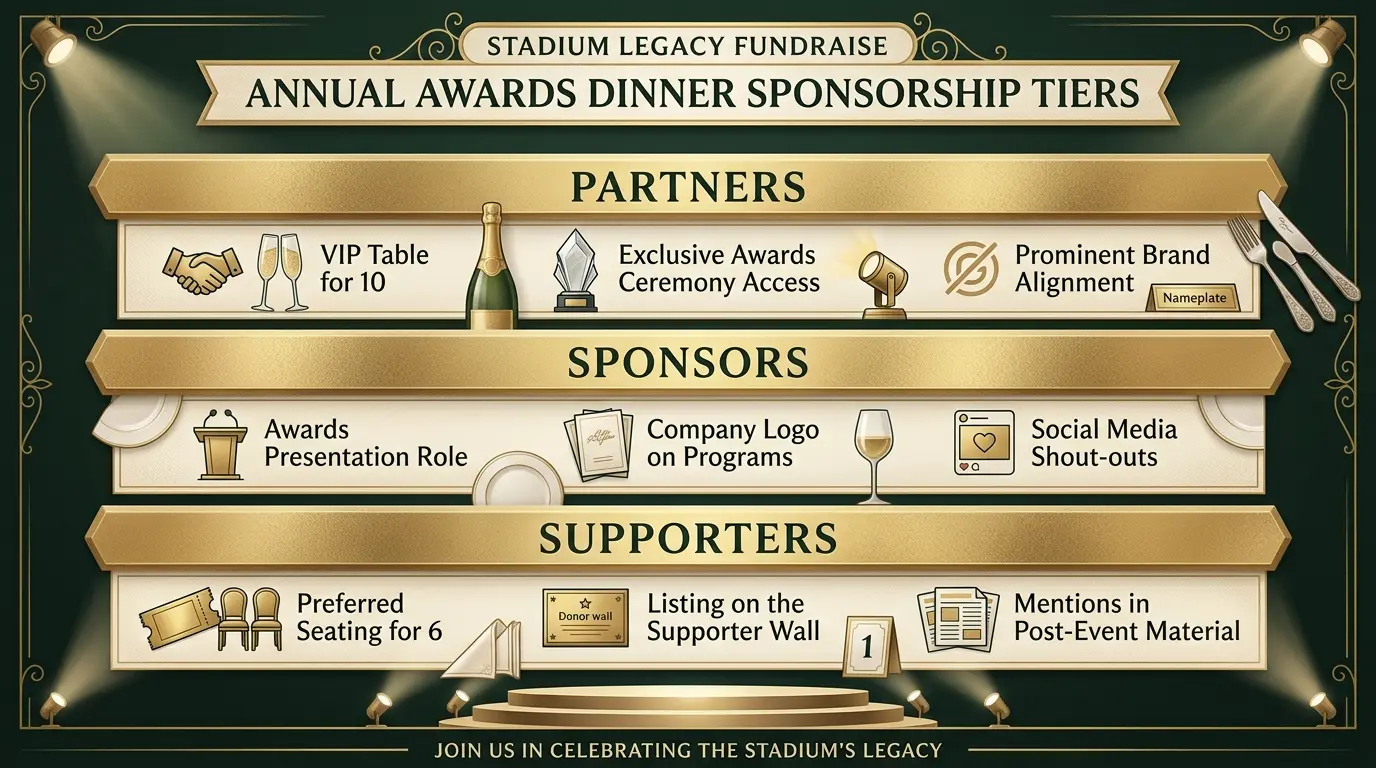
The FIFA World Cup 2026 sponsors are organized into three official tiers. At the top are seven FIFA Partners: Adidas, Coca-Cola, Hyundai-Kia, Visa, Aramco, Lenovo, and Qatar Airways. The middle tier holds eight FIFA World Cup 2026 Sponsors: AB InBev, Bank of America, Frito-Lay, McDonald’s, Mengniu Dairy, Unilever, Verizon, and Hisense. The third tier is made up of regional Tournament Supporters such as Airbnb, American Airlines, The Home Depot, Diageo, Valvoline, DoorDash, Marriott Bonvoy, and Fanatics. FIFA also added a new Host City Supporter layer for 2026, letting each of the 16 host cities sign up to 10 local sponsors.
How FIFA’s 2026 sponsorship structure works
FIFA does not sell one flat sponsorship. It sells a position in a tiered system, and each tier comes with different rights, different price tags, and different reach. Understanding the ladder makes the whole list easier to read.
Here is the simple version:
- FIFA Partners (Tier 1): Year-round global rights across every FIFA competition for a full four-year cycle. The most expensive and most exclusive slots FIFA offers, reportedly north of 100 million dollars per year.
- FIFA World Cup 2026 Sponsors (Tier 2): Global rights tied only to the 2026 tournament. Estimated at 65 to 95 million dollars per deal.
- Tournament Supporters and Suppliers (Tier 3): Regional or category-specific rights, often focused on North America. Deals here commonly land around 15 million dollars, though they vary by category.
- Host City Supporters (new for 2026): Local companies that fund city-level operations and fan festivals, using city-specific marketing marks without clashing with the global partners.
FIFA confirmed in March 2026 that all 16 global sponsorship slots were sold out before the tournament even kicked off, a first in World Cup history.
Tier 1: FIFA Partners
These are FIFA’s longest-standing and highest-value backers. Their rights stretch well beyond 2026 to the Women’s World Cup, youth tournaments, and FIFA’s digital platforms. Many are woven directly into how the tournament runs, not just how it looks.
| Brand | Category | Notable Detail |
| Adidas | Sportswear and equipment | Official match ball and kit supplier |
| Coca-Cola | Non-alcoholic beverages | Runs the FIFA World Cup Trophy Tour |
| Hyundai-Kia | Automotive | Official vehicle fleet |
| Visa | Payment services | Stadium and fan zone payment systems |
| Aramco | Energy | New top-tier energy partner |
| Lenovo | Technology | IT and broadcast infrastructure |
| Qatar Airways | Airline travel | Covers 2026 and 2030 cycles |
Adidas is the most visible sponsor on the pitch. The company has supplied the official World Cup match ball since 1970, the longest unbroken equipment partnership in the sport. For 2026 the ball is the Trionda, a four-panel design with a connected sensor that feeds the video review system. Every kick you see this summer runs on Adidas technology.
Coca-Cola has backed FIFA for close to five decades and operates the iconic Trophy Tour that travels to more than 50 countries during the cycle. Its branding covers fan zones, stadium concessions, and broadcast integrations worldwide.
Aramco is the headline newcomer at this level. The Saudi energy giant joined the top tier as FIFA’s first Tier 1 energy partner, a category that did not exist at Qatar 2022. The deal drew public criticism from more than 100 women’s football players over Saudi Arabia’s human rights record, and FIFA defended it as part of its standard commercial process. It is worth noting because it marks a clear shift in the kind of brands FIFA is willing to place at its highest tier.
Lenovo supplies the computing backbone for a 104-match tournament, including data centres and broadcast support systems, and its tools reach into team operations and the semi-automated offside technology.
Tier 2: FIFA World Cup 2026 Sponsors
This is where the 2026-specific money is concentrated. These eight brands bought global rights for the tournament year, and several represent category firsts for FIFA. Their logos appear across all host cities, on worldwide broadcast feeds, and throughout digital content.
| Brand | Category | Headline Deal |
| AB InBev | Beer | Michelob Ultra as official beer |
| Bank of America | Banking | FIFA’s first global banking sponsor |
| Frito-Lay | Snacks | “No Lay’s, No Game” campaign |
| McDonald’s | Fast food | Only official fast-food chain |
| Mengniu Dairy | Dairy | Market entry play from China |
| Unilever | Personal care | Activating through Dove Men+Care |
| Verizon | Telecommunications | Network across US host cities |
| Hisense | Consumer electronics | HDR broadcast display tech |
Bank of America made history here as FIFA’s first-ever global banking sponsor, signed in August 2024 in what the bank described as its largest sports investment ever. The deal leans on community programmes, youth football, and financial literacy alongside straight brand visibility across the three host nations.
AB InBev has worked with FIFA for nearly 40 years, and for 2026 it is spotlighting Michelob Ultra as the official beer. The brand created the Superior Player of the Match trophy, awarded after all 104 matches through fan votes, with Lionel Messi fronting the launch campaign.
Frito-Lay is running its “No Lay’s, No Game” push built around a watch-party theme, featuring Messi, David Beckham, Thierry Henry, Alexia Putellas, and a comedic turn from Steve Carell.
Verizon signed on in September 2024 as the official telecommunications services sponsor, handling network and stadium connectivity across the US host cities.
There is a strategic thread running through this tier. Mengniu Dairy and Hisense are not yet household names in North America, so a World Cup slot works as a market-entry accelerator. And because FIFA sells category exclusivity, one bank means competitors are locked out, one fast-food chain means rivals cannot activate, and one telecom means the rest are shut out of the biggest stage in sport. Being in is only half the value. Keeping competitors out is the other half.
Tier 3: Tournament Supporters and Suppliers
Because the tournament spans three huge countries and 16 cities, FIFA widened its third tier to cover the operational machinery that keeps everything moving. Brands here are not buying billboards so much as buying a role in how the event actually functions.
– DoorDash holds two firsts at any FIFA tournament: the first Official On-Demand Delivery Supporter and the first Official Restaurant Reservations Platform Supporter. The deal spans nine countries and includes its Deliveroo and Wolt brands.
– Airbnb is the official accommodation supporter in North America, with more than 380,000 guests expected to use its listings during the tournament.
– American Airlines joined in April 2025 as the official North American airline supplier, running more than 2,200 daily flights to host cities alongside Qatar Airways.
– Marriott Bonvoy signed on in January 2026 as the official hotel supporter, covering more than 30 hotel brands.
– Fanatics holds exclusive retail rights across all three host nations, from stadium stores to e-commerce.
– Boggi Milano is the official formalwear outfitter, dressing the FIFA workforce and launching a licensed capsule collection.
– Diageo covers the official spirits category across the Americas through Johnnie Walker and Smirnoff.
– Valvoline marks its 160th anniversary in 2026 with its first major global sporting partnership.
– The Home Depot and Rock-It Cargo round out the venue-upgrade and logistics categories.
Host City Supporters: the new local layer
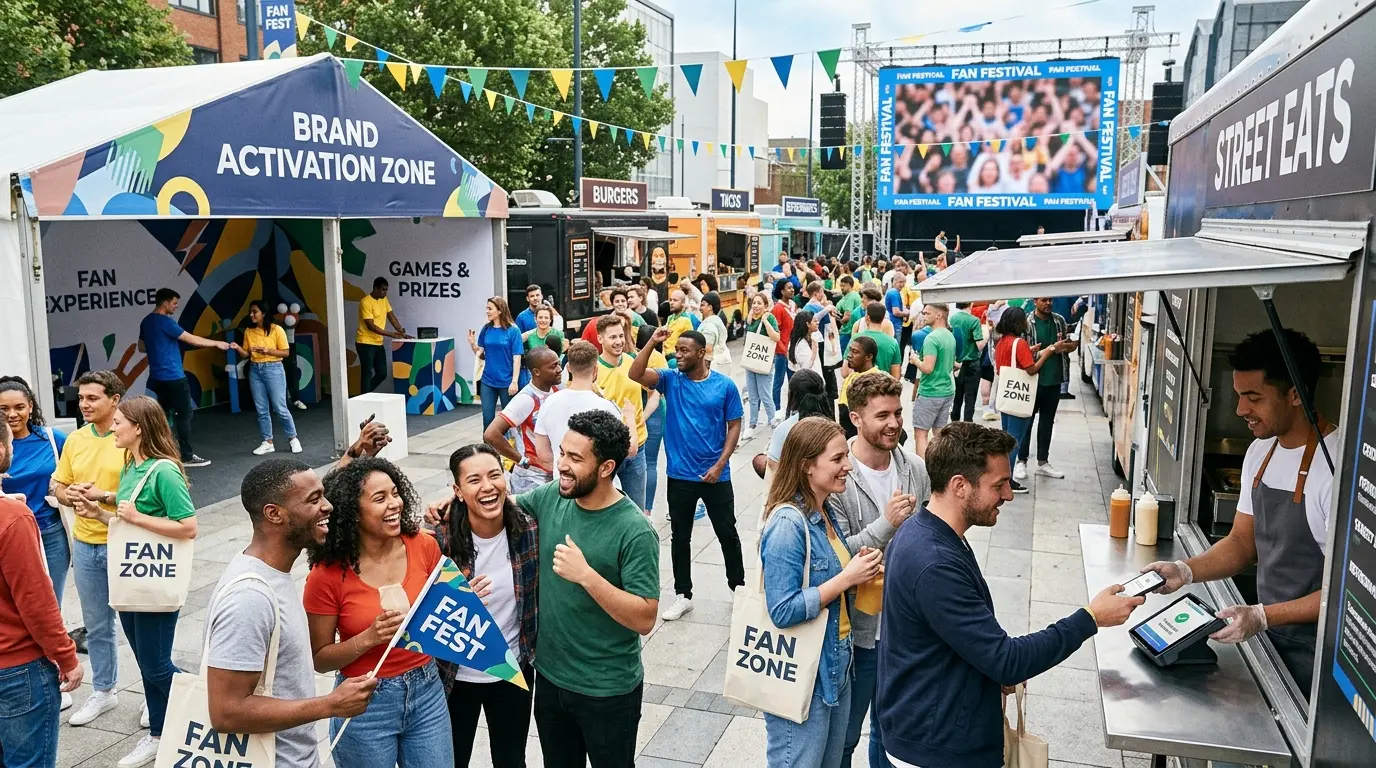
The most interesting structural change for 2026 is the Host City Supporter programme. Each of the 16 host cities can sign up to 10 local companies as sponsors, which do not conflict with FIFA’s global partners. These deals fund local costs like security, transportation, and fan festivals, and they let regional brands activate using city-specific marks.
It is a smart move. FIFA expands the number of brands it can sell to without diluting the exclusivity of its premium tiers, and cities get help covering the real cost of hosting. Dallas, for example, brought in a regional Coca-Cola bottler that operates separately from the global Coca-Cola partnership.
The money behind the deals
The scale of 2026 is hard to overstate. FIFA projects roughly 8.9 billion dollars in revenue directly from the tournament, the single biggest payday in the organization’s history and up nearly 20 percent from Qatar 2022. Across the full 2023 to 2026 cycle, FIFA’s budget runs to around 11 billion dollars.
Broadcasting is the largest single revenue stream, followed by hospitality and ticketing, with marketing and sponsorship contributing a large chunk on top. On the spending side, advertisers worldwide are committing an estimated 10.5 billion dollars to reach viewers during the tournament, a figure that surpasses spending across an entire NFL season.
Which brands are NOT sponsors
Category exclusivity means some of the world’s biggest names are deliberately absent from official activation. If Visa is in, Mastercard is out. If Adidas holds the equipment rights, Nike cannot activate as an official partner. If Coca-Cola owns soft drinks, Pepsi is shut out. These gaps are not accidents. They are the exact thing sponsors pay for. Rival brands often respond with clever ambush marketing around the edges of the tournament, but they cannot use official FIFA marks or claim any tournament association.
Final whistle
The 2026 sponsor list tells you a lot about where football and global marketing are heading. More tiers, more categories, and more local layers than any tournament before it. From the Trionda on the pitch to the DoorDash order at your watch party, nearly every fan touchpoint this summer carries a brand that paid to be part of the biggest show in sport.
Keep an eye on this space as the tournament rolls on. Regional and host city deals can still shift, and we will update the list as new partners are confirmed.
Frequently asked questions
How many official sponsors does the FIFA World Cup 2026 have?
FIFA has seven Tier 1 Partners, eight Tier 2 World Cup Sponsors, and a growing group of Tier 3 Tournament Supporters, plus a new Host City Supporter layer that allows up to 10 local sponsors per host city.
Who is the biggest FIFA World Cup 2026 sponsor?
By longevity and cultural reach, Adidas and Coca-Cola stand above the rest. Adidas has supplied the match ball since 1970, and Coca-Cola has backed FIFA for nearly five decades and runs the Trophy Tour.
What is the official ball of the 2026 World Cup?
The Adidas Trionda, a four-panel ball with a connected sensor that supports the video review and offside systems.
Is Bank of America a FIFA World Cup sponsor?
Yes. Bank of America is FIFA’s first-ever global banking sponsor, a deal signed in August 2024 and described as the bank’s largest sports investment.
Is Nike a World Cup 2026 sponsor?
No. Adidas holds the sportswear and equipment category, so Nike is not an official FIFA partner, though Nike does sponsor individual national teams such as the US Men’s National Team.
What is a Host City Supporter?
A new 2026 sponsorship tier. Each host city can sign up to 10 local companies that help fund municipal costs and fan festivals while using city-specific marketing marks.
How much money will FIFA make from the 2026 World Cup?
FIFA projects around 8.9 billion dollars in revenue directly from the tournament, part of a broader 11 billion dollar four-year cycle.