
Anyone can start a tournament. The hard part is running one so good that people ask when the next one is. That is the real goal, whether you are organizing a five-a-side cup, a card game night, or an online bracket for your Discord community. A great tournament is not about fancy prizes. It is about fairness, clarity, and making everyone feel like they belong in the room. Here is how to get it right.
Start with the format, not the players
The single most common mistake is inviting people first and figuring out the format later. Flip that order. Decide how the competition works before anyone signs up, because the format shapes everything that follows.
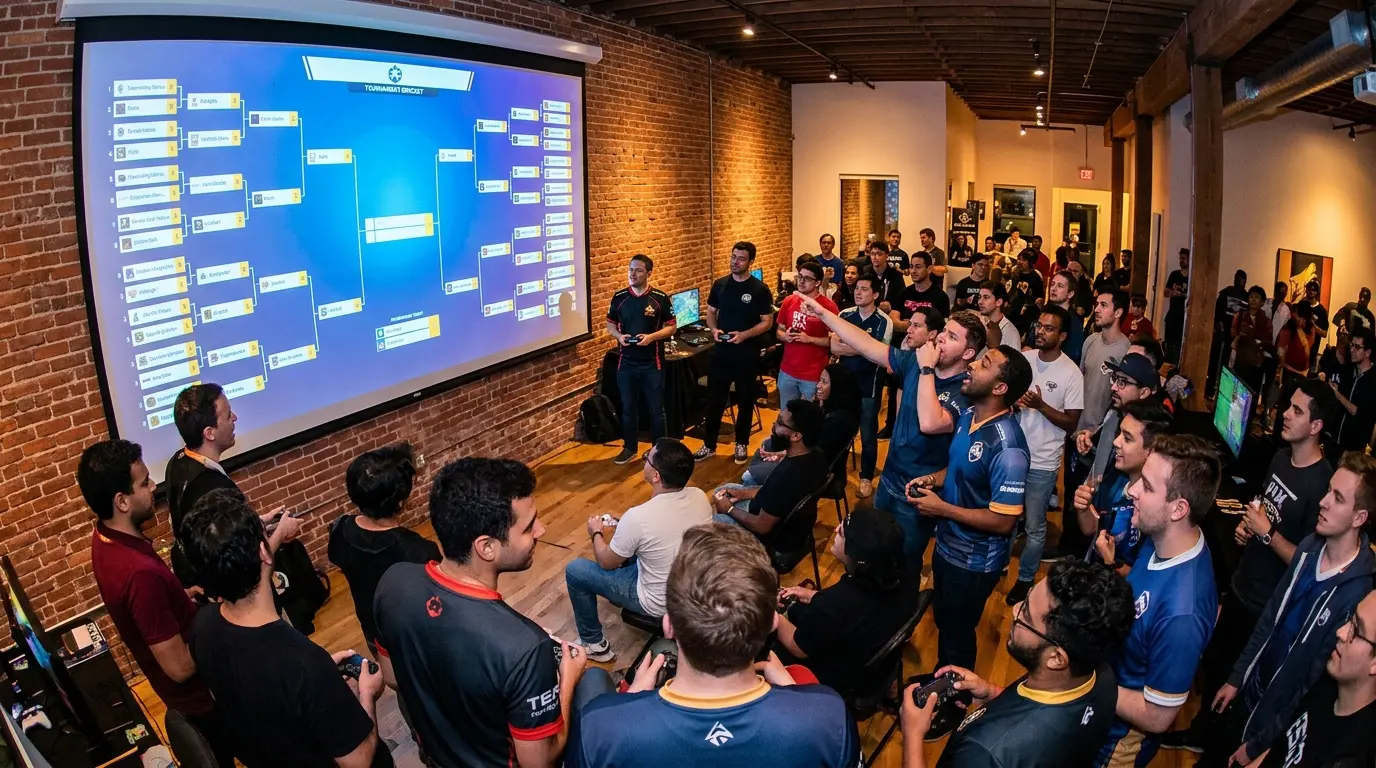
A single-elimination bracket is fast and dramatic, but a bad first-round matchup can send a strong player home early. A round-robin, where everyone plays everyone, is fairer but takes far longer. A group stage that feeds into a knockout is the sweet spot for many events, since it gives everyone a few guaranteed games before the pressure begins. Pick the one that fits your time and your crowd, then build around it.
Make the rules boring and obvious
Good rules are not clever. They are clear. Before anyone plays, write down how matches are won, what happens in a tie, how long people have to show up, and what counts as a forfeit. The goal is that when a dispute happens, and one always does, you are pointing at a rule instead of making a judgment call in the heat of the moment.
Share the rules somewhere everyone can see them, and do not change them once play begins. Nothing sours a community faster than rules that shift to suit whoever is complaining loudest.
Seed fairly, or seed randomly, but be honest about it
Seeding decides who plays whom, and it quietly shapes how fair the whole event feels. If you know the players’ skill levels, seeding the strongest apart keeps the best matchups for later and stops early blowouts. If you do not know the field, a random draw is perfectly fair and nobody can accuse you of favoritism. What matters is that you tell everyone which method you used. Transparency beats perfection every time.
Keep the tournament moving
Momentum is everything. A bracket that drags for hours between matches loses its energy, and people drift away. Set clear start times, keep results updating as they come in, and chase up slow matches politely but firmly. When players can see the bracket filling in and know exactly when they play next, they stay engaged even when they are not on the field or screen.
Give losers a reason to stay
Here is the detail that separates a one-off event from a real community. In a straight knockout, half your players are done after a single loss, and a bored crowd empties out fast. Consider a losers bracket, a plate competition for early exits, or a simple side event so nobody’s night ends after ten minutes. People remember whether they had fun, not whether they won, and the ones who had fun are the ones who come back.
Close it out properly
When the final is over, do not just wander off. Announce the winner clearly, thank everyone who showed up, and share the final standings so people can see where they landed. A short recap message afterward, with a few highlights and a hint about the next event, turns a single tournament into an ongoing thing people look forward to.
Run it fair, keep it moving, and treat everyone like they matter. Do that a few times and you will not have to convince people to join your next tournament. They will already be asking.