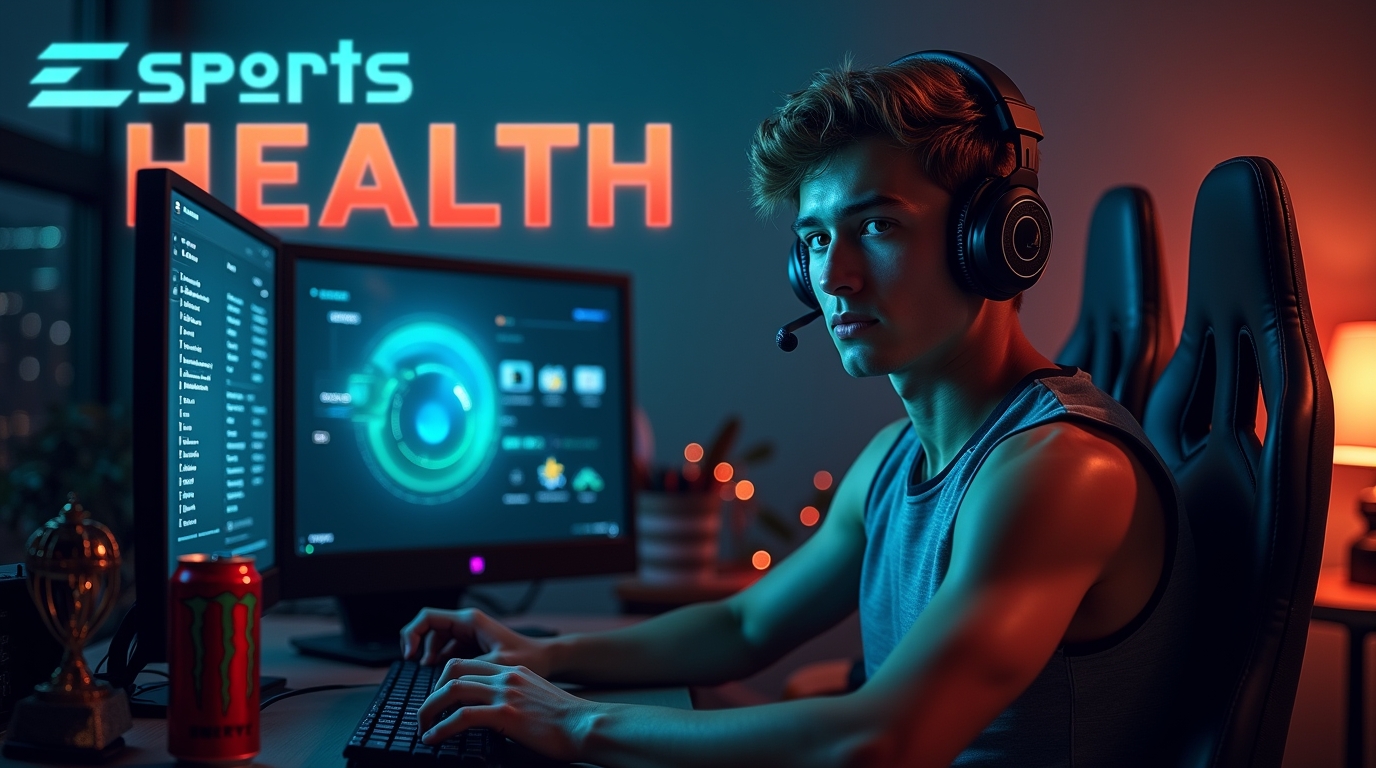

We’ve all had those nights when a scrim spirals, chat turns heated, and suddenly, you’re chewing on your mousepad (figuratively or not; we’ve seen it!) instead of focusing on your crosshair. Esports is as human as any pitch or court. The difference? Staring at screens can sometimes make us forget that bodies, minds, and teams need more than just quick reflexes. If you’re reading this, you’ve probably felt the sting of a lost streak or maybe a throbbing wrist after too many ladder matches, and wondered, Does this happen to everyone? It does. Let’s talk about esports health openly, together.
Esports Health and Wellness: Managing Tilt, Stress, and Physical Health
Every step of competitive gaming carries both visible and invisible challenges. Join us as we walk through practical, honest ways to tackle tilt, stress, and the all-too-real realities behind the screen.
1. Introduction: The Human Side of Esports
Behind every clutch play and last-man-standing moment in esports, there’s a real person just trying to keep composure and stay healthy. Many of us grew up in communities where “tilt” was a private joke and stretch breaks during a gaming session were unheard of. Only recently have players, coaches, and even parents begun speaking out about mental health, stress, and taking care of ourselves as seriously as game strategy. It’s refreshing, if a little intimidating. But with every new season, more of us are learning that true skill means protecting both mind and body.
2. Understanding Tilt and Emotional Swings
Tilt. There’s no buzzword that sums up gamer frustration more perfectly. Imagine missing the easiest last-hit of your life, then… missing two more, only to snap at a teammate for the wrong reason. That’s classic tilt: when a setback sets off a chain reaction and suddenly nothing feels right. One of us once threw a match in Rocket League after a teammate “stole” a goal, just to cool off. The truth is, tilt isn’t just a personal problem; it messes with team trust and ruins focus. Ignored, it piles up, and soon even simple plays look impossible. Managing tilt is a key part of esports health, reminding us that mental wellness is just as important as mechanical skill.
3. Spotting Stress in Esports and Gaming Life
Stress sneaks up quietly. It might start as a headache after too many hours at the keyboard or yawning in the middle of a vital match. Before you know it, you’re snapping at friends, skipping meals, or losing sleep over a ranked slump. For many players, pros included, the biggest triggers are long practice blocks, toxic chat, pressure to win, or struggling to balance school, life, and play. Burnout isn’t weak; it’s common. Even legends like Faker or Arslan Ash share stories about long stretches where nothing felt fun anymore.

4. Mental Health Strategies for Gamers and Teams
Honestly, dealing with tilt or stress doesn’t need to be complicated. It might be as simple as standing up every hour to shake out your hands, logging off for a mindful walk, or jotting frustrations in a notebook. Some players swear by breathing exercises or mindfulness apps. Top teams now hire mental coaches, and in a recent Dota 2 bootcamp, one coach kept a “frustration journal” for players to vent into; not to be judged, just to unload. Even solo queue warriors benefit from talking things out; sometimes, it’s a voice message to a friend that flips the mood.
5. Dealing with Losses, Setbacks, and “Slumps”
Who hasn’t hit a wall? Losing streaks are the norm, not the exception. We remember a friend in Valorant who dropped three ranks in a week; he only pulled out after a teammate suggested reviewing old game replay files over pizza, pausing to laugh at the worst mistakes instead of dwelling on them. Constructive fixes include: VOD review, a reset outside (even if just for sunlight and air), or asking someone outside your inner circle for honest feedback. Every pro, from League’s Doublelift to CS:GO’s s1mple, has bounced back from “unwinnable” patches, often with help, and a strong focus on esports health to keep mind and body in sync.
6. Building Healthy Routines Beyond the Screen
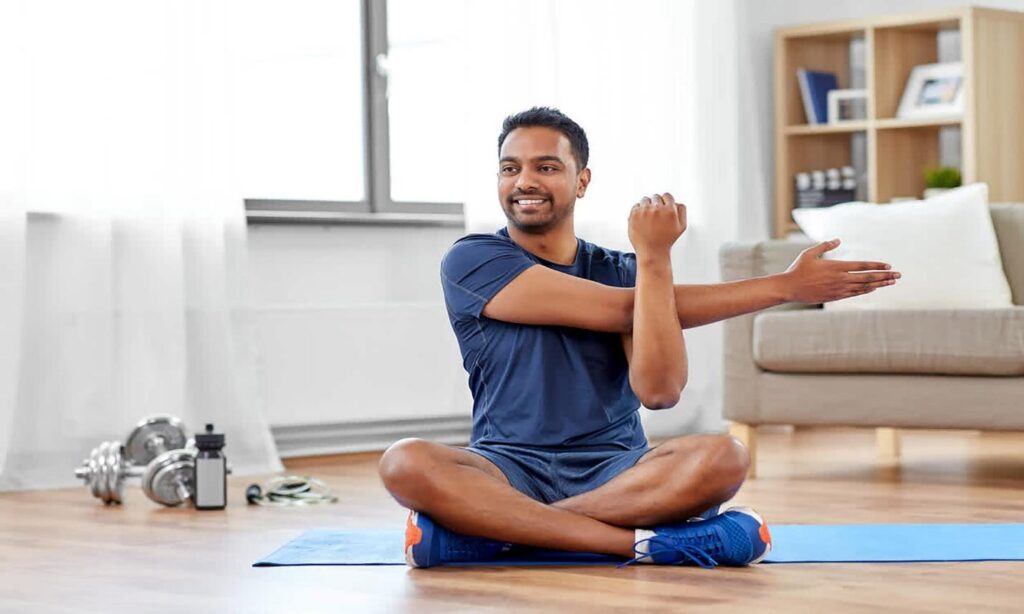
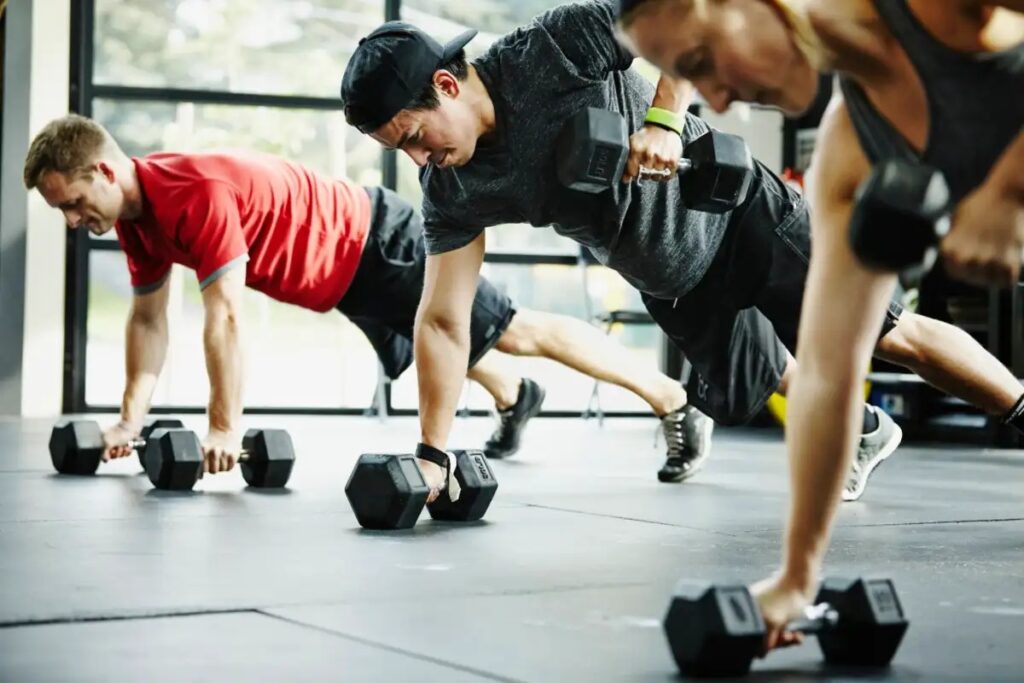
Small habits, massive change. Even one extra hour of quality sleep, more water, or swapping chips for a banana can shift performance. In our own group, we started a “stretch squad,” reminding each other to do quick shoulder rolls or hand stretches after every match. There’s no magic formula; just listening to your body. Try following the 20-20-20 rule: every 20 minutes, look 20 feet away for 20 seconds to rest your eyes. Good posture helps more than any fancy mouse. And if you’re feeling ambitious, squeeze in home fitness: push-ups, jumping jacks, yoga, or even a daily walk.
7. Physical Health: Preventing Burnout and Injury
Injury isn’t reserved for traditional athletes. Many of us have fallen prey to aching wrists, throbbing thumbs, and foggy eyes after pushing too hard. Carpal tunnel, neck/back pain, and “gamer’s thumb” are common, especially after marathon tournaments or daily ladder climbs. Prevention is simple but crucial: an ergonomic chair, wrist rests, regular hand warmups, and adjusting screen height do wonders. If pain won’t go away, don’t wait; get advice from a doctor or physical therapist. Ignoring pain is never “tough”; it just cuts your career short.
8. The Team/Org Approach to Wellness
Esports orgs are catching on. Take Astralis or T1, where team meals, psychologist sessions, and off-day schedules are as important as scrims. In local clubs, we’ve seen a captain organize group jogs before matches to bond and clear minds. Even grassroots scenes are borrowing from the pros; balanced practice times, mandatory breaks, or Discord “AFK check-ins” can refresh the vibe instantly. It’s all part of a growing awareness around esports health: the idea that peak performance starts with well-being. It doesn’t require sponsors or private chefs. What matters is the willingness to care for each other and make a health routine, not a rare exception.
9. Tackling Stigma and Cultural Barriers
For ages, “tilt” and “burnout” were punchlines, not warnings. In some places, health talk in gaming still feels taboo (don’t talk, just grind, right?), but those walls are breaking down. We’ve cheered on parents who bring snacks and hydration to local tournaments; no more hiding energy drinks under the desk. With more pros sharing their wellness challenges, and orgs embracing psychology and support staff, opening up is getting easier. Supportive Discord servers, school counselors, and honest articles can be lifelines; sometimes, talking is the first and best buffer.
Tournova: Seamless Competition, Supportive Habits
Tournova was built with the realities of everyday esports, stress, burnout, and accessibility in mind. The platform removes technical and social barriers, letting players organize and join tournaments right inside familiar chat apps like Telegram and Discord. With automated brackets, registration, and real-time result features, players can focus on the game and supporting each other, not on tedious logistics. This streamlining is especially valuable for grassroots teams or mixed-skill community groups who want frequent, healthy competition without extra hassle.
Wellness and motivation are woven directly into Tournova’s core: its internal token system rewards participation, consistency, and achievements. Tokens earned from regular play can unlock entry to special events or digital rewards, creating positive incentives for sustained engagement, not just endless grinding. And because Tournova’s tools work for both big orgs and casual squads, team leaders can easily manage fair schedules, track results, and ensure that breaks, balanced matches, and community support become an integrated part of the competitive journey, promoting esports health as a foundation, not an afterthought.
10. In the End: Health is Every Gamer’s Edge
Every time we rewatch a tournament upset or reminisce about a surprise comeback, one theme pops up: the teams and players that last aren’t just the fastest or flashiest; they’re the healthiest and happiest, too. Whether you’re grinding from your bedroom in Karachi or leading a Jakarta school club, health and wellness are your foundation for excellence. Let’s promise ourselves, and each other, that this next match, next scrim, next season, we’ll play as whole gamers; sharp in mind, strong in body, and surrounded by friends who care. Because esports health isn’t just a bonus. It’s the ultimate edge.
11. FAQs: Health and Wellness in Esports
1. Can focusing on wellness make me a better player, not just healthier?
Absolutely. Sharper focus, faster recovery, and teamwide positivity all drive in-game performance. Health is your hidden stat boost.
2. How can I introduce health breaks without ruining the team’s flow?
Frame them as “mini reboots”; share a quick stretch routine in chat or suggest a break after every set. Teams play better when recharged.
3. What are the three essentials every gamer should have at their desk?
A water bottle, a notepad for quick thoughts/resets, and something physical: a stress ball, grip ring, or a soft hand towel.
4. What’s the number one reason local orgs skip wellness?
Many assume only top-tier pros need it. In reality, grassroots teams have more flexibility and stand to gain even more from healthy habits.
Infographics:
Identifying Tilt & Stress
Missed shots? Outbursts in chat? That’s tilt; when emotions spiral. Long practice, online pressure, and toxic matches add stress, often leading to lost sleep or burnout. Even legends like Faker and Arslan Ash have talked openly about downswings.
Practical Mental Health Steps
Mental resets are simple: stand and stretch every hour, write frustrations in a notebook, message a friend, or log off for a walk. Many squads now use “frustration journals” or hire mental coaches. For solo players, honest talks or a mindful app can help break the cycle.
Bouncing Back from Losses
Losing streaks hurt, but reviewing replays, asking outside opinions, or just sharing laughs at mistakes helps. Whether you’re a pro or weekend warrior, bouncing back is a team effort.
Wellness Habits for Every Gamer
Quality sleep, water, and quick stretches boost performance. Follow the 20-20-20 eye rule: look away from your screen every 20 minutes. Even homemade fitness routines and good posture matter more than top-tier gear.