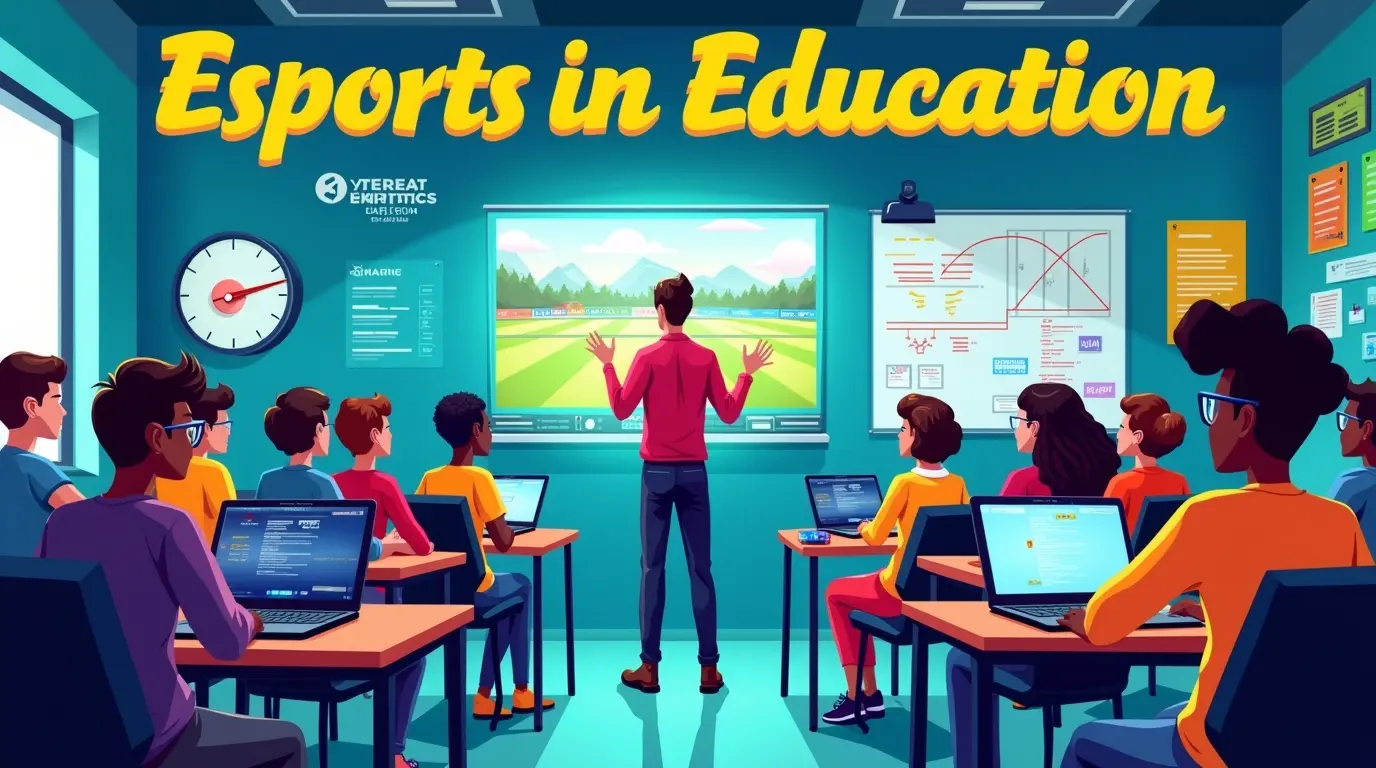

We’ve all witnessed it; what started as a handful of students gathering around a PC in a dusty classroom corner has morphed into full-blown esports teams pulling on jerseys and filling auditoriums. Not too long ago, the idea of gaming as a real school “sport” sounded more like a joke than reality. Yet here we are: banners hanging in hallways, pep talks from coaches, and weeks filled with practices and tournaments. As friends, parents, and former skeptics, it’s pretty wild and heartwarming to watch esports in education grow into a legitimate, community-building force that reshapes how we view student potential and teamwork.
Esports in Education
Let’s sit back and really take stock of this new wave, because it’s not just about racking up wins in “League of Legends” or “Rocket League.” Schools are treating varsity esports as more than a game; they’re mixing tradition, teamwork, and fresh digital skills that shape students in unexpected ways.
1. Introduction: The New Era of Esports in Schools
Change comes slowly, until suddenly everyone’s talking about it. A few years ago, varsity jackets and school bands were the norm. Now, we see esports teams huddled before matches, strategizing with coaches just like their basketball or soccer peers. It began quietly: one after-school club, a couple of local matches, maybe a teacher who “got it” and lobbied for new PCs. Fast forward, and now school districts (and even government ministries) around the world are inviting esports into gymnasiums, psychology lessons, and even national competitions.
2. What Are Scholastic Esports and Varsity Leagues?
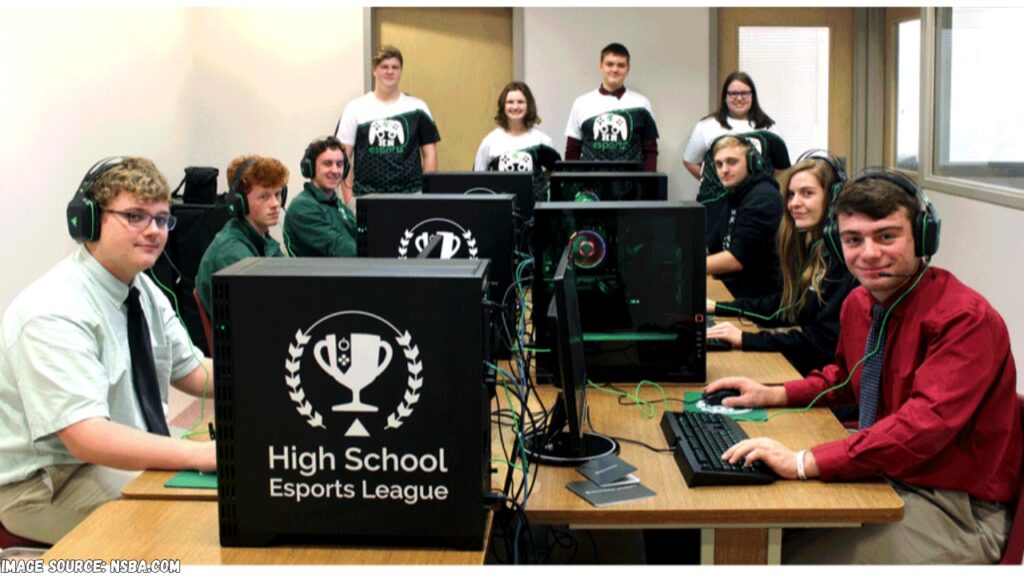
It helps to break down the lingo. Scholastic esports simply means gaming as a structured extracurricular; practices, teams, and scheduled competitions, all based in a school. Esports in education spans from casual club play to varsity leagues: a step above with official teams supported by the school, complete with uniforms, coaching, and seasons that mirror traditional sports. While club-level play might be more informal or community-based (sometimes even just a Discord server with some friendly matches), varsity leagues resemble official athletic departments, with everything from tryouts to trophies.
3. Growth and Examples Around the World
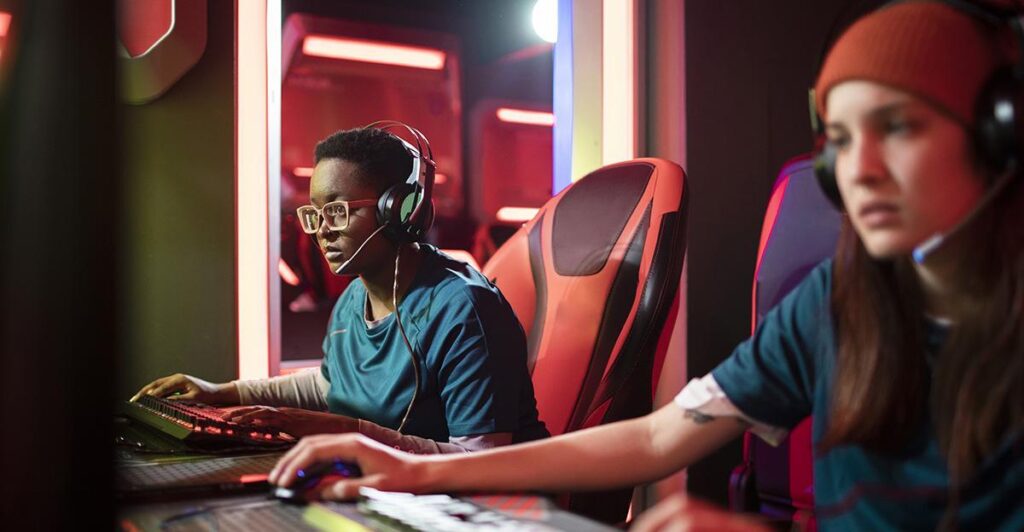
News travels fast in the digital age. In the U.S., organizations like the High School Esports League (HSEL), PlayVS, and the North America Scholastic Esports Federation (NASEF) have brought millions of students under their wings, scheduling matches, national finals, and broadcasts. On the other side of the Atlantic, the British Esports Federation partners with schools and colleges across the UK, growing leagues in games like “Overwatch” and “Valorant.” Over in Asia, South Korea and China are integrating esports into youth programs, seeing it as both student engagement and talent scouting. Even Indonesia, Thailand, and Pakistan are now running inter-school championships; proof that the movement is global. We marvel at how quickly things have changed, no matter the region.
4. How Varsity Esports Programs Operate
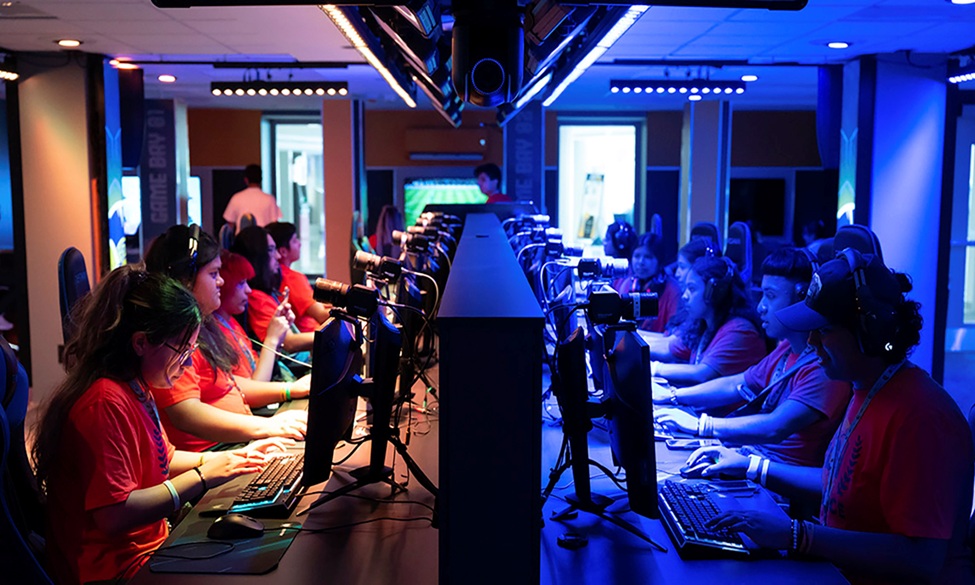
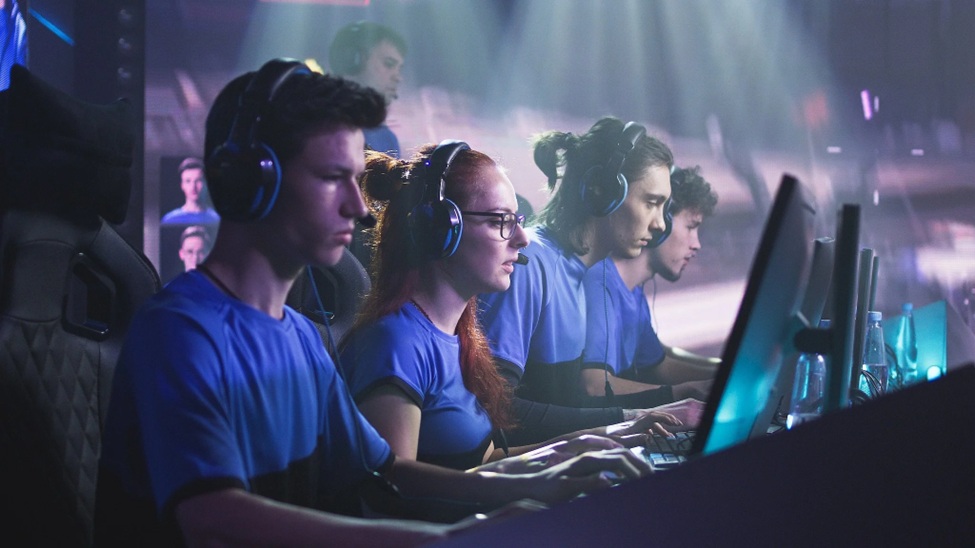
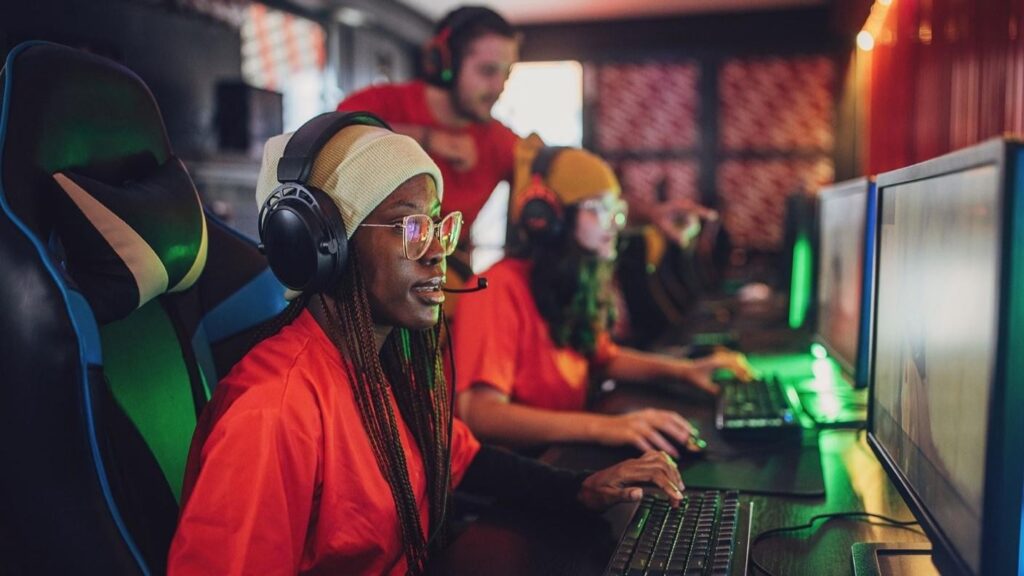
Think of a typical school day: students balancing class, homework, and practice. For varsity teams, esports in education mirrors this rhythm closely. Teams hold tryouts, then train on set days, with roles from in-game leader to support player. Many schools dedicate rooms equipped with high-spec PCs or consoles; some even have “esports labs” where teams practice, review match footage, and analyze strategy. Coaches, many of whom are teachers or local pros, help students manage their schedules, plot tactics, and, importantly, meet grade requirements to stay eligible. Like traditional sports, there are official match days, advancing through league play, and playoffs for the season’s best.
I remember walking into a school esports room for the first time; lit up by glowing monitors, heads bent together over strategy discussions; the buzz was unmistakable. It wasn’t about skipping class for games, but striving together, balancing ambition and accountability.
5. Skills and Benefits for Students
As any player or parent soon discovers, esports teams learn more than how to run a fast rush or pull off a perfect combo. Collaboration gets tested under pressure; clear communication and leadership become essential. Students juggle time management, discipline, and quick, strategic thinking. Tech literacy, everything from managing network settings to understanding game logic, comes as second nature. And when matches heat up, it’s often those “soft” skills like resilience and sportsmanship that shine brightest. We’ve heard time and again from educators that students who once floated through school found their spark through gaming, motivated to improve both in and out of the classroom.
6. Scholarships, Awards, and Pathways to Higher Education
Not long ago, the dream of a “gamer scholarship” would’ve drawn laughter. Now, esports in education is becoming a serious pathway, with hundreds of universities, especially across North America, offering partial or full scholarships for top esports players. Schools like the University of California, Irvine, or Harrisburg University field championship varsity squads, awarding spots to students who can show talent and keep up their grades. Some scholarships are based on tournament performance; others reward leadership or community involvement. Increasingly, high schools and colleges partner up, giving players a pathway from school leagues to campus teams (and even professional play). For families worried about education, it’s reassuring to see more legitimate, supported opportunities blossom each year.
7. Challenges and Concerns
Progress always brings questions. Funding can be tough, as not every school can upgrade a full esports lab overnight. Stigma lingers; many teachers or parents grew up hearing “stop playing games and do your homework,” so changing mindsets takes patience. Balancing practice with studies is tricky for anyone: smart programs make academic eligibility a must. Online safety and bullying are real risks, just like in any competitive environment, but top programs are adopting codes of conduct and robust reporting tools.
I’ll never forget an anxious parent meeting, where the coach calmly explained rules about screen time, teamwork, and mutual respect: key topics when supporting esports in education. Once educators and parents see lives changed by participation, not just high scores but real bonds, they start coming around.
8. Student and Educator Stories
One middle-schooler in Colorado, shy in other classes, took center stage as team captain, guiding his squad to the state Rocket League finals, and then stepping up as a peer mentor for new students. In the UK, a math teacher shared his surprise when coaching the school’s “Overwatch” team led to better class engagement; not just among standout gamers, but their friends who now saw school in a more positive light. In Pakistan, a grassroots girls’ esports club blossomed into an inter-school league, with students proudly presenting strategies during morning assembly. Every program has its own hero’s journey, rewriting expectations one match at a time.
9. The Future of Esports in Education
Peering ahead, we see universities developing formal esports curricula; mixing STEM skills, media production, and even health studies (reaction time apps are hot). More countries are integrating esports into their national inter-school competitions, spotlighting young talent on big stages. Schools are piloting cross-disciplinary projects: building game mods in computer science, exploring narrative in English, or breaking down strategy in math class. With more investment, broader inclusion, and passionate communities, esports is set to be a fixture in the school experience for years to come.
Tournova: Empowering School Esports to Grow, Connect, and Compete
For schools launching varsity or scholastic esports programs, Tournova offers a practical solution to organize structured, safe, and rewarding tournaments right where students already gather: on Telegram and Discord. With its automated bracket management, easy registration, and real-time results reporting, even novice educators or student leaders can quickly set up fair competitions. This makes it easier for schools, clubs, or entire districts involved in esports in education to run recurring leagues or friendly matches while reducing administrative obstacles and letting everyone focus on teamwork, learning, and fun.
Tournova’s internal token economy can also help motivate student participation, rewarding teams for activity, effort, and positive behavior without adding financial stress to schools. Organizers can use digital tokens to grant access to special events or recognize achievements, increasing student engagement across skill levels. Whether fostering after-school clubs or organizing full-scale inter-school tournaments, Tournova’s user-friendly platform supports the growth of scholastic esports as a tool for connection, skill-building, and inclusive achievement.
10. Final Word: Leveling Up Learning Through Esports
As we see the movement firsthand, it’s clear: esports in education isn’t just about digital trophies. It’s about creating new pathways for connection, learning, and growth. When schools, parents, and students join forces to do things right, guided by purpose, structure, and trust, everyone levels up together. So, whether you’re skeptical, curious, or all-in, the world of varsity and scholastic esports is open for exploration. The next generation is already in the lobby, ready for the match to begin.
11. FAQs: Esports in Education
1. How are students’ mental health needs supported in scholastic esports?
Leading programs now work with guidance counselors and mental wellness coaches, creating a supportive environment that balances gaming excitement with stress prevention, rest, and healthy routines.
2. Are school-sanctioned esports limited to specific games?
Schools and leagues usually stick to age-appropriate, non-violent titles (like “Rocket League,” “Smite,” and “FIFA”) but often adapt to student interest and community standards.
3. What equipment do schools need to launch a varsity esports team?
Basic requirements include a few mid-to-high-end PCs or consoles, stable internet, headsets, and a dedicated space; fancy broadcast setups and stage lighting can come later if the program grows.
4. Can students with disabilities participate in scholastic esports?
Yes! Many games offer assistive tech and adaptive controllers, making it possible for students of varying abilities to join teams, compete, and connect.
Infographics:
A New Era on Campus
What started as after-school gaming clubs has grown into official varsity esports teams. Schools worldwide now host jerseys, matches, and crowds, showing that gaming belongs in modern education.
What’s the Difference? Clubs vs. Varsity
Scholastic esports: Organized by schools, focuses on teamwork, practice, and friendly competition.
Varsity leagues: Fully backed by schools with coaches, uniforms, scheduled seasons, and playoffs, just like other sports.
Global Growth
Programs like HSEL, PlayVS, and NASEF lead in North America; the British Esports Federation grows UK talent. In Asia and beyond, inter-school leagues spring up everywhere, from Indonesia to Pakistan.
How It Works
Teams hold tryouts, train together, and strategize with coaches. Schools provide dedicated labs with gaming PCs. Events range from league matches to national finals, building both skill and spirit.