
The first time we saw a Counter-Strike final on a big screen, shoulder-to-shoulder with fans, it hit us: esports isn’t just about who wins; it’s about how we experience it together. The evolution of esports broadcasting transformed late-night living room duels and smoky LAN cafes into worldwide parties anyone could join. This journey from blurry streams to jaw-dropping, 4K productions is genuinely one of gaming’s wildest rides.
Evolution of Esports Broadcasting
Esports didn’t always have sleek overlays, pro commentators, or arena lighting. Back then, fans would huddle around laggy streams or catch grainy replays just to see their favorite plays.
Esports Broadcasting
It’s easy to forget that behind every play-by-play call and perfectly-captured celebration is a team of dreamers, techies, and storytellers. Whether you caught the craziness of Worlds on Twitch or stumbled on a Mobile Legends tourney in Bahasa on YouTube, you’re part of a story that began with DIY passion and brought gaming to millions.
1. Introduction: Esports on the Airwaves
When we talk about why esports feels so alive, broadcasting is often the secret. It bridges the gap between players and fans, countries and couches. From simple uploads and shaky commentaries to cinematic stadium shows watched by millions, every chapter in this evolution added something special. These broadcasts cover more than matches; they weave live commentaries, analysis, instant highlights, and fan interaction into a living story.
2. From Bedroom Streams to LAN Parties: The Early Days
Back in the late ‘90s and early 2000s, most of us met esports not on a sleek app, but through humble beginnings. Picture grainy cameras taped to tripods at LAN parties, or those nerve-racking minutes spent waiting for a 12MB demo file to finish downloading over dial-up, just to see someone else’s Quake frag highlights. StarCraft and Counter-Strike launched shoutcasting, a kind of live “radio for gamers,” where passionate fans would plug a microphone into their PC and narrate every clutch or blunder. It was the start of the evolution of esports broadcasting: raw, unfiltered, and wildly creative. Watching, or even just listening to, those homegrown events felt like discovering a secret club.
3. The Rise of Streaming Platforms
Then came a revolution: streaming. Justin.tv turned into Twitch, and suddenly, pro players and regulars alike had a digital stage. We’ll never forget the first time we stumbled into a League of Legends final on Twitch, with chat exploding faster than the casters could talk. YouTube Gaming, AfreecaTV, and Huya all opened new doors. Now, streaming meant matches weren’t just for the handful in a local hall, but for untold thousands or millions, chatting, donating, subscribing, and making memes in real-time. Suddenly, an Indonesian MLBB final or a Dota 2 major was as accessible as Netflix.
4. Professionalization: Studio Production and Global Audiences
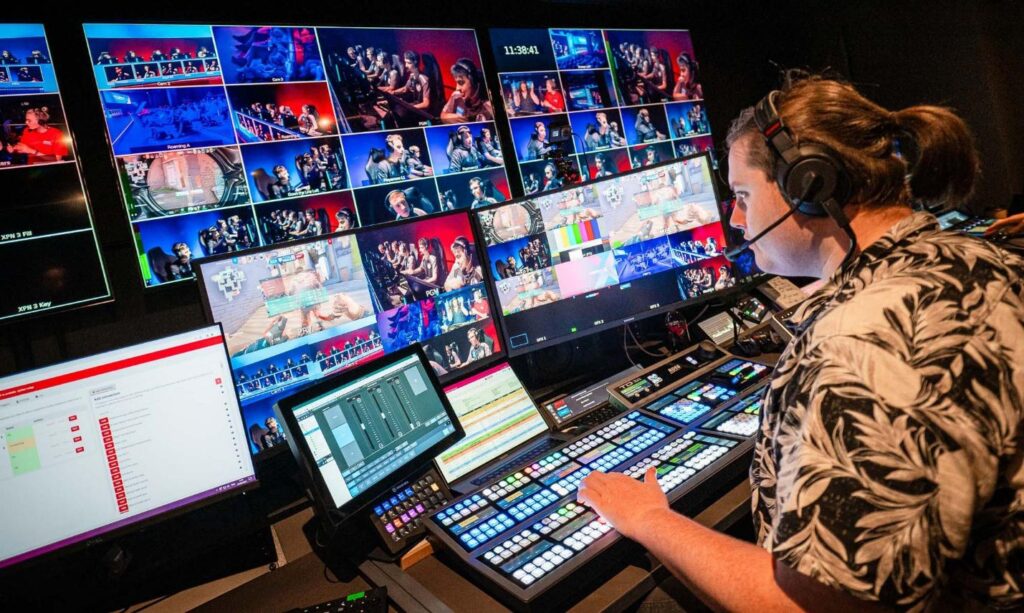
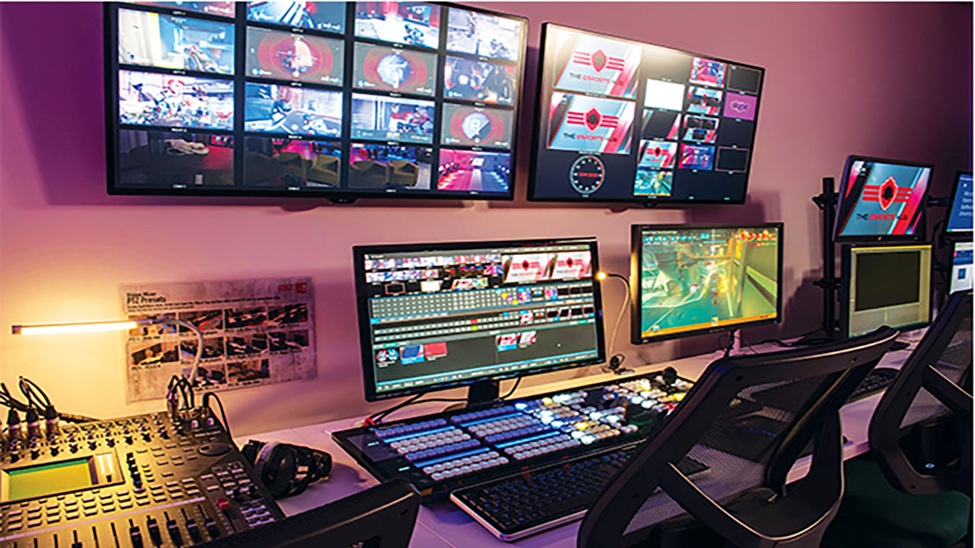
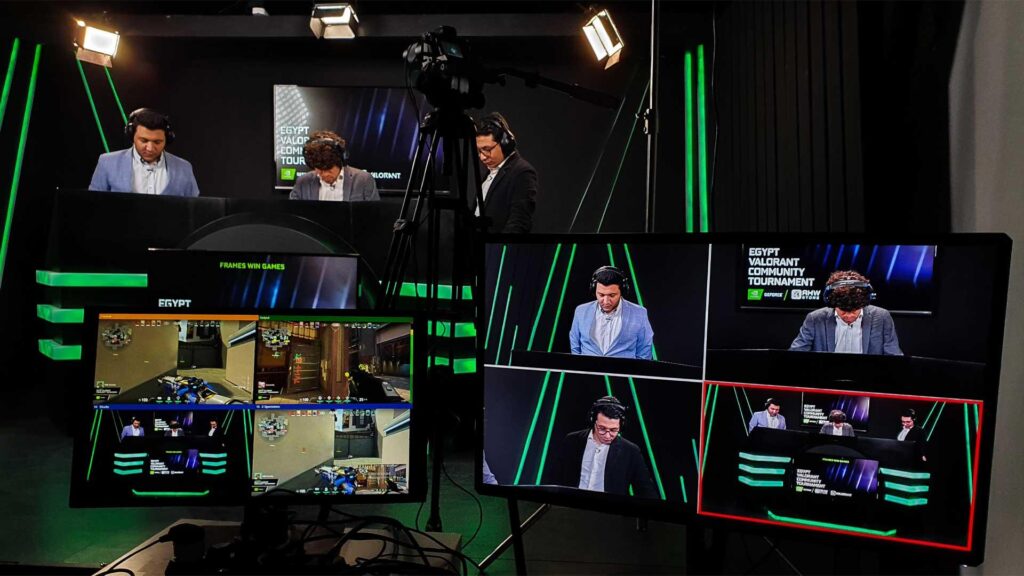
It didn’t take long for things to get fancy. Tournament organizers like ESL, DreamHack, Riot, and Valve invested in stylish studios; think HD cameras, green rooms, instant highlight reels, and whole teams behind the scenes. Every big event became part sporting contest, part blockbuster TV. The first time we saw analysts break down a Dota 2 match with telestrators and telescreens, it was clear: esports was no longer amateur hour. Some events, like ELEAGUE Major or League of Legends Worlds, even landed on cable TV or major streaming partnerships, reeling in audiences new to gaming.
5. Evolving Technology: From 480p to 4K and Interactivity
Every season seemed to bring some new magic to the evolution of esports broadcasting. Streams morphed from blocky standard def to crisp 4K. We geeked out over “multi-view” setups, choosing your camera, player POV, or getting overlays of live stats mid-game. AR graphics and virtual sets made stages feel out of this world. Polls, prediction games, and spammed emotes gave fans a voice, making every kill or comeback more electric. One Finals, we remember voting live on a poll for MVP, feeling, just for a moment, like part of the team.
6. The Role of Casters, Analysts, and Storytelling
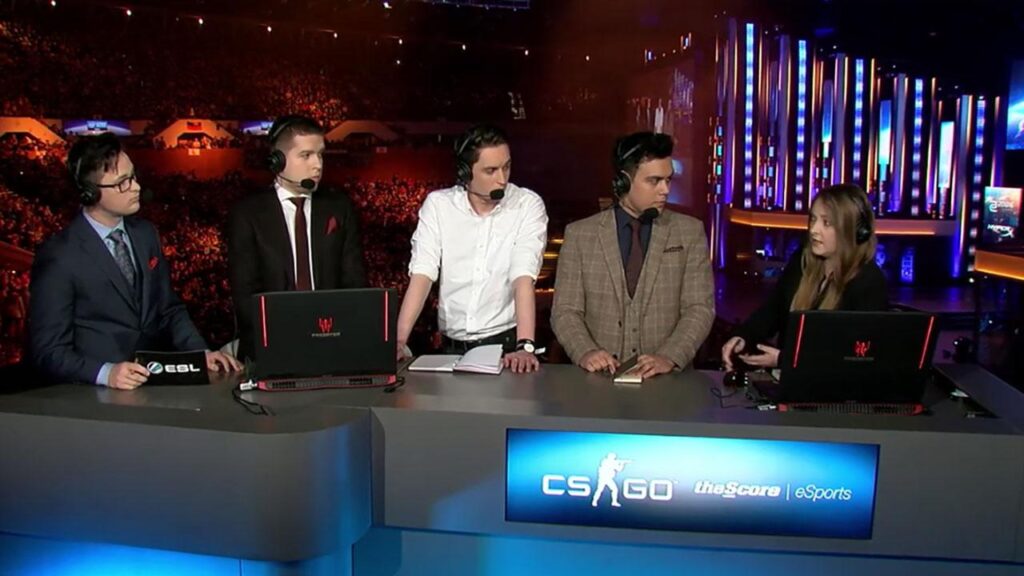
No matter how sharp the stream, it’s the people behind the mic who breathe life into the show. Legendary duos like Tastosis (StarCraft) or Redeye (CS:GO, Dota 2) crafted unforgettable moments, turning games into narratives and players into legends. Behind them, production crews ran segments, highlight reels, and instant slo-mo replays, while analysts broke down the why behind every risky move. These voices gave us heroes to root for and stories to believe in, even in games we barely understood.
7. Esports Goes Mainstream: TV, Sponsorships, and Crossovers
A few years ago, seeing esports on TV felt unreal. It marked a new chapter in the evolution of esports broadcasting. Suddenly, there were headlines on ESPN about League of Legends, and Coca-Cola or Mercedes-Benz logos plastered across MOBA battlegrounds. NBA stars and musicians started investing in teams or hosting charity tournaments. Each platform carved its own style: Twitch with meme-fueled chaos, TV with polished graphics, local apps with region-specific overlays and vibes. Whether it’s seeing an Indonesian MLBB final go live on national TV or CS:GO getting prime time in Europe, mainstream crossover changed the game.
8. Local Flavor: Regional Broadcasts and Language Diversity
Very quickly, it wasn’t just English on the mic. Indonesian, Spanish, Russian, Urdu; esports broadcasts blossomed in dozens of languages. Regional stars emerged, making games feel even more local, even as teams went global. We’ve tuned in to Bahasa shoutcasters setting the hype for Indonesian tournaments, or Pakistani hosts breaking down Tekken brackets for a local audience. When a region gets its own broadcast and community hosts, the connection deepens. Familiar voices and inside jokes; broadcasting became family.
9. Current Trends and the Future of Esports Broadcasting
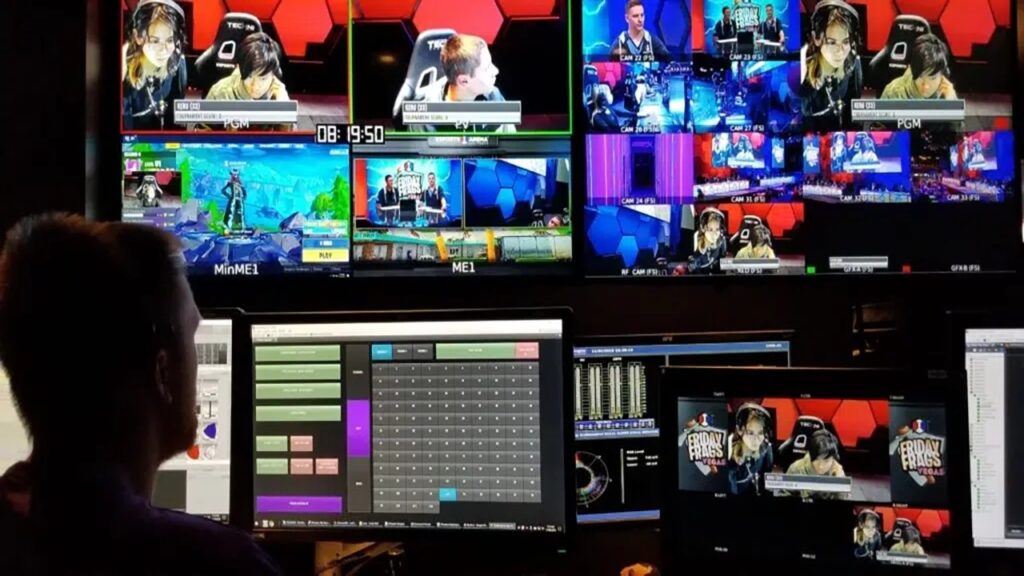
Right now, new trends are rewriting the rules again in the ongoing evolution of esports broadcasting. Mobile-focused platforms, TikTok-style shorts, and co-streaming by pro players or influencers reach younger fans fast. AI-driven tools tweak on-screen stats or offer instant auto translations. Accessibility matters now too: closed captions, sign-language streams, and easier navigation are increasingly popular. Who knows what comes next? Maybe we’ll all join matches in VR stadiums, or pick any camera anywhere, as if we’re invisible fans roaming the digital field. One thing’s sure: audiences will keep shaping what’s possible.
Tournova: Bringing Organized Competition to the Heart of Esports Communities
As esports broadcasting has grown from shaky DIY streams to polished, global spectacles, the foundation beneath every great broadcast remains the competitions themselves: well-run, fair, and engaging tournaments. Tournova supports this foundation by making tournament organization accessible for all kinds of communities, not just pro organizers. With automated management tools on Telegram and Discord, Tournova lets anyone, from small fan groups to ambitious grassroots teams, host structured tournaments that are easy to follow, track, and share. Clear bracket management and instant result reporting make it simple for organizers to keep events running smoothly, ensuring that matches are ready for the spotlight, however they’re broadcast.
Tournova’s token economy and reward system also help fuel the stories behind every stream. Players and organizers can earn tokens for participation and achievements, adding a layer of motivation and recognition that resonates with the storytelling spirit of esports broadcasting. By lowering the entry barriers to organized play and providing practical, transparent tools, Tournova gives more communities the chance to turn their matches into real, broadcast-ready moments, fostering the next generation of players, fans, and future on-screen legends.
10. Last Thoughts: Broadcasting as the Beating Heart of Esports
Without broadcasting, esports would’ve stayed hidden in bedrooms and back rooms. But through the evolution of esports broadcasting, thanks to every bold streamer, creative producer, and fiery shoutcaster, competitions now captivate the world. Whether you dream of telling the story, running the cameras, or just cheering in chat, know that you’re sharing in something unique. Esports broadcasting blends talent, technology, and heart, making every clutch, upset, and comeback not just visible but unforgettable. Maybe next weekend, we’ll see you in the chat, helping write the next era of this wild adventure.
11. FAQs: Esports Broadcasting
1. How do you become an esports caster?
Most start with community tournaments, recording their own commentaries or co-streaming. Building a reel and networking with small orgs can open bigger doors.
2. What’s the biggest live audience for an esports broadcast?
Some top events, like the 2018 League of Legends Worlds final, have reported over 100 million unique viewers worldwide, including online and TV.
3. What roles exist besides the caster and analyst in a broadcast?
Broadcasts need producers, observers (camera controllers), sound engineers, on-site reporters, replay editors, segment writers, and more.
4. How can grassroots tournaments get noticed by broadcasters or platforms?
Many start by streaming on accessible platforms (Twitch, YouTube, Facebook), using social media, and inviting small casting talents, all helping build an audience and catch bigger partners’ attention.
Infographics:
Streaming Changes Everything
Platforms like Justin.tv (now Twitch) and YouTube turned local game nights into global spectacles. Streams meant anyone, anywhere, could join in, text-chat, donate, or meme along with the action. Suddenly, millions watched the major finals live.
Studio Magic & Audience Growth
Organizers like ESL and Riot raised the bar with HD cameras, pro analysts, and cinematic productions. Matches became sports events, with replays, telestrators, and interviews drawing even more fans from around the world.
Tech & Fan Interactivity Level Up
Shift from 480p to 4K, custom overlays, multi-view options, and in-stream polls put fans center stage. Viewers became voters, commentators, and real-time contributors, making every major moment truly shared.
Local Voices, Global Reach
Esports broadcasts now stream in dozens of languages: Indonesian, Urdu, Russian, and Spanish, bringing events home for every community. Regional hosts and flavor build loyalty and excitement far beyond the main stage.