
We remember the first time we saw a crowded city bus where every head was bowed, thumbs flying in rhythm; no, not texting, but pushing for victory in Mobile Legends: Bang Bang. There’s something electric about the way mobile esports has changed the game, especially here in Southeast Asia and South Asia, where not everyone grows up with a PC or console, but almost everyone has a phone. Suddenly, those old boundaries faded: now it’s possible to go pro from a rural town or a jam-packed Jakarta net café, as long as you’ve got skill and a working internet connection. Let’s walk through how mobile esports is turning casual players into hometown heroes, opening doors the world over for the next generation.
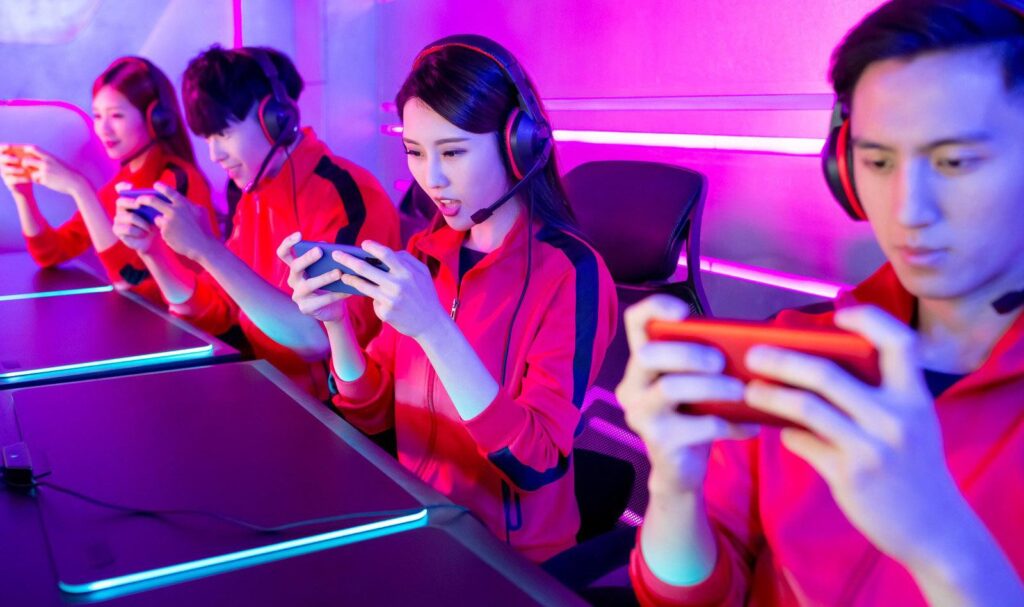
- Games like PUBG Mobile and Mobile Legends dominate the mobile esports scene.
Mobile Esports: The Next Generation
Each step along this journey, we’ll share how mobile esports is breaking old molds and welcoming new faces; and maybe, yours is the next one we’ll all be cheering for.
1. Introduction: Game On, Phones Up
Some mornings are just different; maybe you’ve felt it too. Instead of scrolling social media while waiting for coffee, your finger drifts to a familiar icon, the rush of a battle royale, or the thrill of climbing the ranked ladder. Today, mobile esports is making those everyday moments the start of something epic. For millions across Indonesia, Pakistan, India, Brazil, Egypt, and beyond, phones have become both the playground and the stadium. There are no velvet ropes or hidden doors; the game is open, welcoming, and packed with surprises. We’re seeing fresh names take the spotlight, and it’s anybody’s guess where the next pro, or next entire gaming community, will emerge.
2. How Mobile Changed the Esports Game
Picking up a phone changed everything. Back in the early 2010s, we watched friends gather in cyber cafes for Counter-Strike or Dota 2, but let’s be real, those setups weren’t for everyone. Suddenly, mobiles slashed the cost and let anyone compete: you didn’t need a $1,000 rig, just a decent phone and WiFi. Games like Free Fire and MLBB fit neatly into after-school hours or quick lunch breaks; fast, simple, but deep if you wanted to go further. The effect? Totally new faces and styles entered, especially across Asia, Africa, and Latin America, where the price of entry used to lock out so many.
3. Flagship Titles and Genres
Every community now seems to have “their game.” In the Philippines and Indonesia, Mobile Legends: Bang Bang took over high schools and college fests, sometimes becoming louder than football. PUBG Mobile made champions out of previously unknown kids in India and Pakistan. Over in Brazil, Free Fire tournaments pack stadiums, while Vietnam’s Arena of Valor and China’s Honor of Kings spawn stars from internet cafes and living rooms alike. Call of Duty Mobile brings tactical squad play to nearly any smartphone, and even genres like card games (Clash Royale) and mobile MOBAs (Wild Rift, Pokémon Unite) are dominating streams. This rise of mobile esports shows how games built for fun, accessibility, and competition can thrive; everyone can join in, anywhere, anytime.
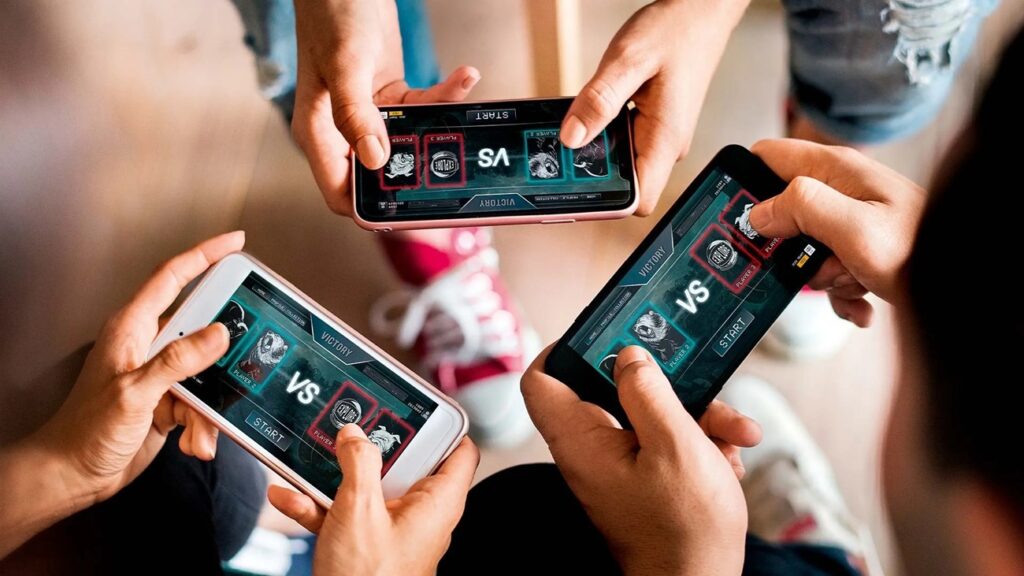
- Top mobile esports tournaments draw millions of viewers worldwide.
4. Tournaments and Prize Stories
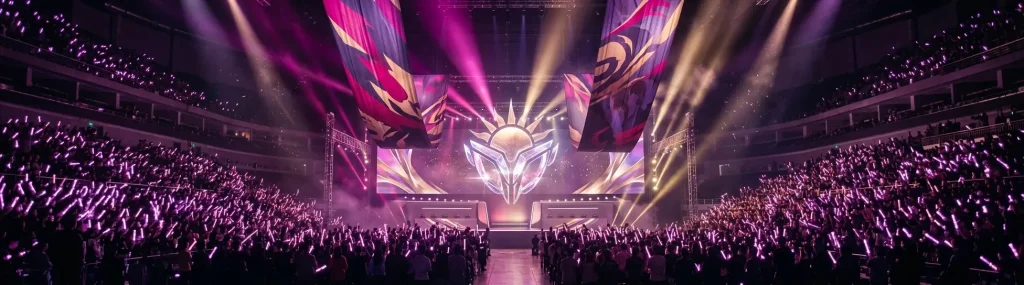
We still remember when a local player reached the M-Series MLBB qualifiers; hundreds of classmates tuned in on YouTube, and suddenly, a neighborhood legend was born. Big money isn’t a pipe dream anymore: the Free Fire World Series shells out over a million dollars in prize pools, and PUBG Mobile Global Championship (PMGC) has minted new streamers and celebrities from emerging regions. Tournament organizers like Garena, Moonton, and Tencent are everywhere, but so are thousands of local hosts: in Karachi, Jakarta, Lagos, students and working parents are all playing or watching. What used to be a niche has exploded into major events, especially in cities like Jakarta, where mobile esports has filled full-scale arenas.
5. Pathways: How to Go Pro in Mobile Esports
Starting down the path doesn’t mean flying to Shanghai or Los Angeles. We watched friends qualify for big events through local apps like Garudaku (Indonesia) or Gamerz Arena (Pakistan), doing their first “community cup” from a living room with snacks and borrowed chargers. School clubs and youth leagues are huge steps up; as simple as forming a squad, naming yourselves, and putting details into a public player profile. Keeping those stats updated and grinding online matches gives scouts and teams a reason to take a second look. Some aspiring pros have made their leap after dominating weekend cups at local cafés, with their progress tracked on platforms like Battlefy.
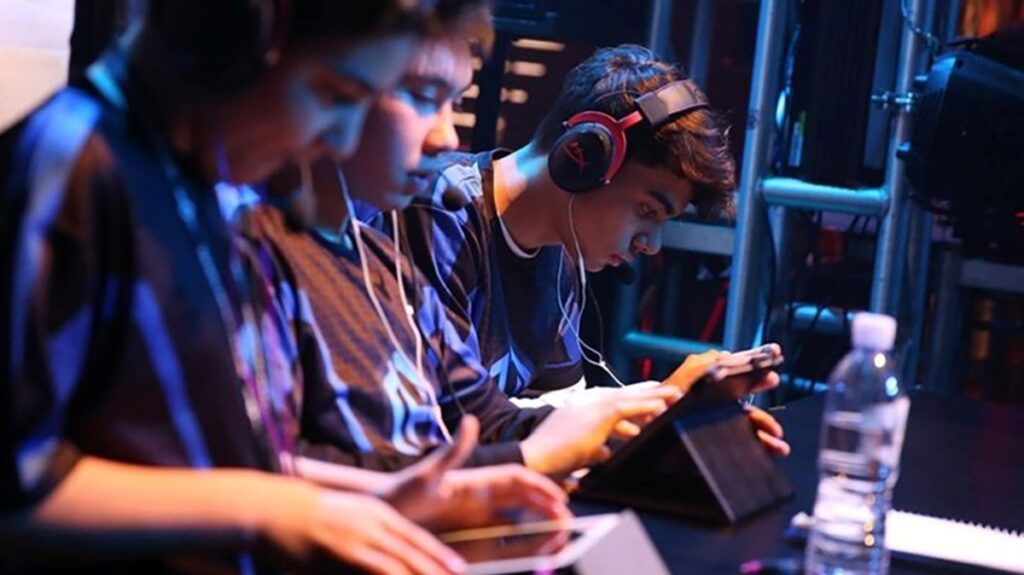
- Many mobile esports pros train as intensely as PC or console players.
6. How Teams and Orgs Work in Mobile Esports
We’ve seen teams form on friendships alone: a pair of cousins, that high-energy support from class, and suddenly you have a “clan.” Others start by answering “LFT” (looking for a team) on Discord or WhatsApp groups. Structures vary: some squads are all heart, with a player-captain keeping the mood up, while larger orgs (like EVOS Esports, Bigetron, Falcons) add managers, coaches, PR staff, and content creators. Many organizations in Pakistan and Indonesia started out as university alliances, building up until they had international sponsors. What counts is trust and commitment, whether you’re at your first campus match or on the national stage.
7. Opportunities Beyond Playing
More careers are blooming around mobile esports than ever before. If you’ve got the gift of the gab, you might find yourself on the mic as a caster or analyst; savvy with logistics, and you’re a future tournament admin. We know one streamer who started volunteering as a Discord mod; today, he’s running his own live charity events. Mobile makes things easier: you don’t need to move to LA or Seoul to break in as a content creator, marketer, or even creative cosplayer; just start online, build confidence, and your audience finds you.
8. Challenges and Criticisms
Let’s not sugarcoat it; mobile esports isn’t always smooth sailing. Some struggle with old devices lagging in key moments or unstable connections derailing entire matches. Cheating and match-fixing scandals have left scars, but organizers are toughening security. Stereotypes linger, with some dismissing mobile players as “less serious.” That said, we’re seeing critics eat their words as tournaments sell out stadiums and create household names. Most of all, community-driven “fair play” and tech improvements mean the issues are getting solved a bit more each season.
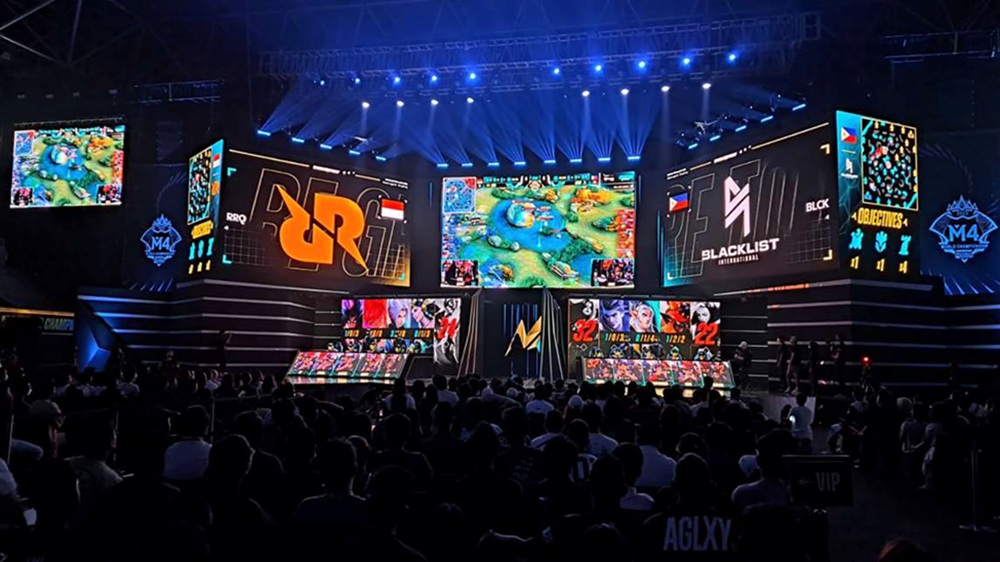
- Many Different Brands are investing heavily in mobile esports sponsorships.
9. Mobile Esports and Social Impact
Stories like Ayu’s, an aspiring player from a Yogyakarta youth league, show just how game-changing mobile esports can be. She reportedly won a school tournament and now leads a girls’ Mobile Legends squad, inspiring her community to dream bigger. In Lahore, some universities have begun supporting top student esports players, though formal AoV scholarships are still emerging. In some areas, small gaming cafés have appeared not just for profit, but to give local youth something positive and social to rally around. For so many of us, the phone is more than a gadget; it’s a chance.
Tournova, Powering The Next Generation of Esports
Tournova is built for the mobile esports revolution, transforming Southeast Asia, South Asia, and beyond. By running entirely on Telegram and Discord, Tournova meets players right where they are: on their phones, making it easy for anyone with a basic smartphone and WiFi to jump straight into organized tournaments, no PC or expensive gear needed. With automated brackets, registration, and real-time results handled in familiar chat apps, local clubs, student squads, and even brand-new teams can run or join regular competitions with just a few taps. This helps aspiring players and community organizers turn scrappy after-school matches or net café events into tracked, fair contests that build both skills and reputation.
Tournova’s integrated token economy further levels the playing field: players earn tokens for taking part and for achievements, regardless of background or starting point. Those tokens can be used to access exclusive tournaments, bid for digital items, or unlock special features, rewarding consistent play and community contribution. Tournova’s approach supports the core promise of mobile esports: accessibility for all, transparent rewards, and an easy path from anonymous player to local standout, whether you’re grinding at home, on a break at work, or rallying a new squad in your neighborhood.
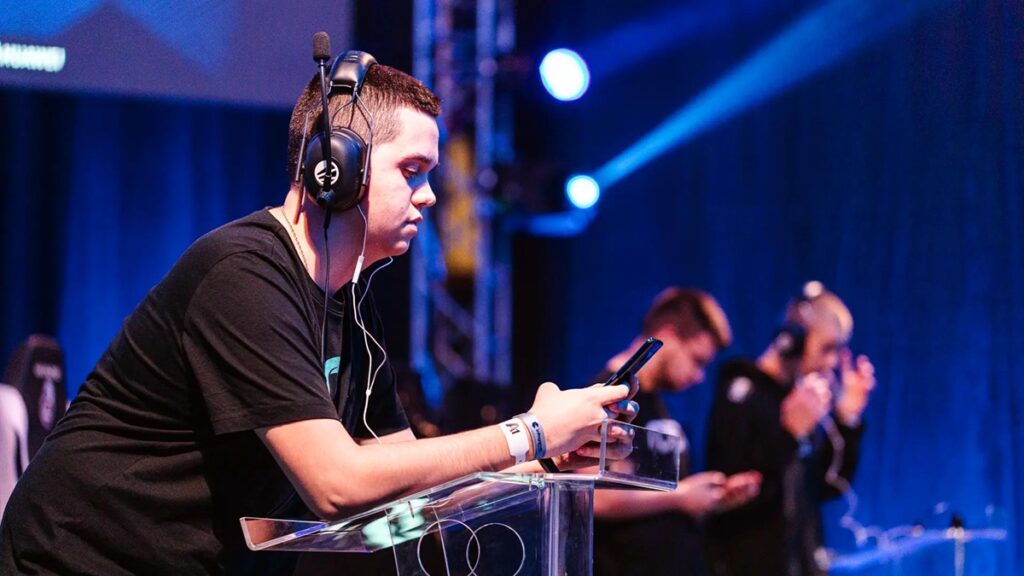
- Influencers and streamers help boost mobile esports visibility.
10. Closing Up: The Future is in Your Hands
To watch a mobile championship is to see a future where anyone, anywhere, can call themselves a competitor, or even a champion. This is the power of mobile esports, where a phone and a dream are enough to start. Our advice? Don’t doubt where you start. Whether it’s by a food stall in Jakarta or a rooftop in Karachi, pick up the phone, dive into a game, and let your passion write the next chapter. This isn’t just “the next big thing”; it’s the new normal, and we can’t wait to see what stories you bring to the screen.
11. FAQs: Mobile Esports Decoded
1. What’s the minimum device needed for mobile esports?
Most major titles work on mid-range Androids or iPhones from the last 3-5 years (e.g., 3GB RAM, stable WiFi/LTE, and a touch screen responsive enough for fast taps).
2. Can you get scouted playing only from home?
Definitely. Many pros start by ranking on leaderboard ladders or uploading highlights; scouts use online stats and social clips as their first look at new talent.
3. How do parents view mobile gaming now?
It’s changing. Many parents, especially after seeing school tournaments or hearing about college scholarships, are realizing esports can be a real path, not just “playtime.”
4. What’s unique about mobile community culture?
Community spirit tends to be super local and welcoming; regional meetups, family watch parties, and collab streams are common. Anyone can join; there’s less “gatekeeping” than traditional esports.
Infographics:
Game On, Phones Up
Across Indonesia, Pakistan, Brazil, and beyond, mobile phones have become the arena. No consoles required; just skill, a device, and a sense of adventure.
Breaking Barriers
Mobile erased entry limits. No expensive PC needed; anyone can grind ranked, join city tournaments, or stream from home. New faces rise from schoolyards, cafés, villages, showing the world skill can come from anywhere.
Standout Games & Regions
From MLBB lighting up Jakarta’s schools to PUBG Mobile legends in India and Free Fire filling Brazil stadiums, flagship titles shape local heroes. Games like Arena of Valor, Wild Rift, and even Clash Royale build legit careers across Asia, Latin America, and Africa.
Big Stages, Bigger Dreams
Community cups and global events; like M-Series, Free Fire World Series, and PMGC; transform everyday players into champions. Garudaku (ID) and Gamerz Arena (PK) help squads climb from home to national finals.
Teams & Community
Teams start with classmates or cousins, or through “LFT” posts in Discords. Larger orgs; EVOS, Bigetron, Falcons; offer the next step, but all thrive on trust and hustle.
Careers for All
Beyond playing: moderating, shoutcasting, running events, becoming a content creator; mobile opens door after door, wherever you live.