
It honestly feels wild to think about how fast Russia’s esports scene has transformed in just a few years. We remember watching early broadcasts packed with passionate fans, but no one could have predicted how quickly Russia esports events would become a force on the world stage. Today, it pulses with sold-out stadiums, team rivalries that everyone knows by name, and a growing influence that’s impossible to ignore, even if you’re halfway across the globe.
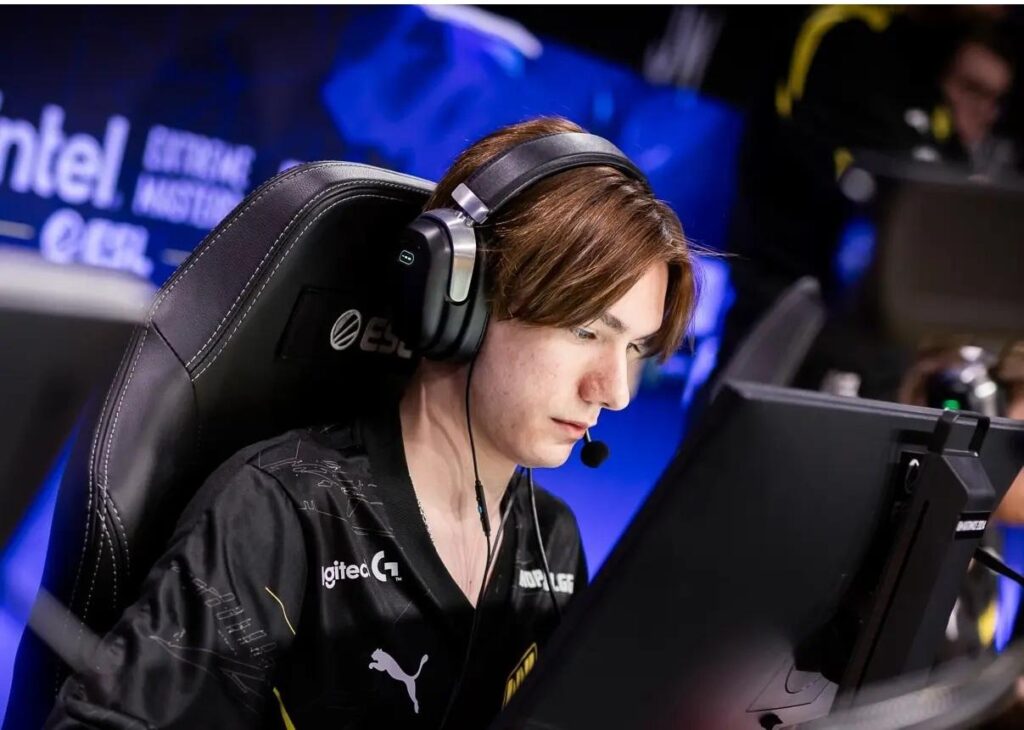
- Games like CS:GO, Dota 2, and Warface dominate Russia’s competitive gaming landscape.
Russia Esports Events
So, if you’re even a little curious about why Russia’s competitive gaming world gets so much attention, let’s walk through the biggest tournaments, the games that light up the arena, and what it’s actually like to join the fun, whether online or in person.
1. Introduction: Russia’s Growing Esports Scene
A couple of years ago, the idea that Moscow or Kazan would host global Dota 2 finals felt more like a dream than reality. But here we are! Esports in Russia has gone from niche meet-ups to national fandom, with government support and international broadcasts. These days, it’s not surprising to find entire schools talking strategy for CS:GO or kids sporting Virtus.pro jerseys. In this article, we explore the premier events, the most popular games, the teams everyone’s rooting for, and what makes attending Russia esports events so memorable.
2. The Biggest Esports Events in Russia
Some of the world’s most anticipated tournaments call Russia home.
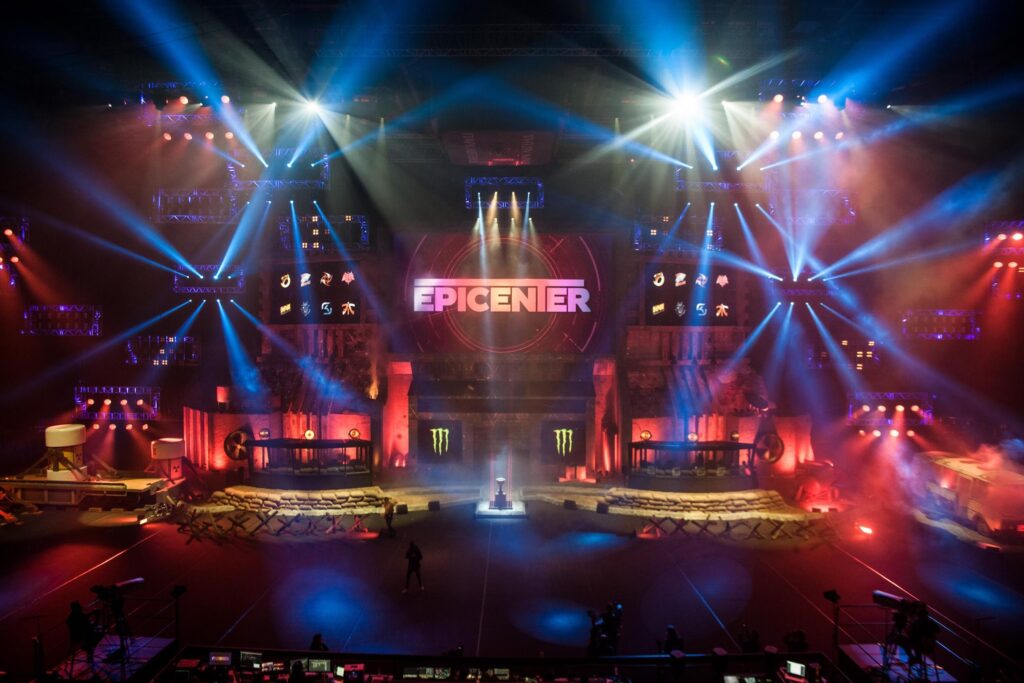
- EPICENTER (Moscow) stands out for its lavish Dota 2 and CS:GO playoffs, pulling legendary teams and massive crowds.
- The Russian Esports Championship gathers the region’s best in a multi-title showdown, crowning local legends every year.
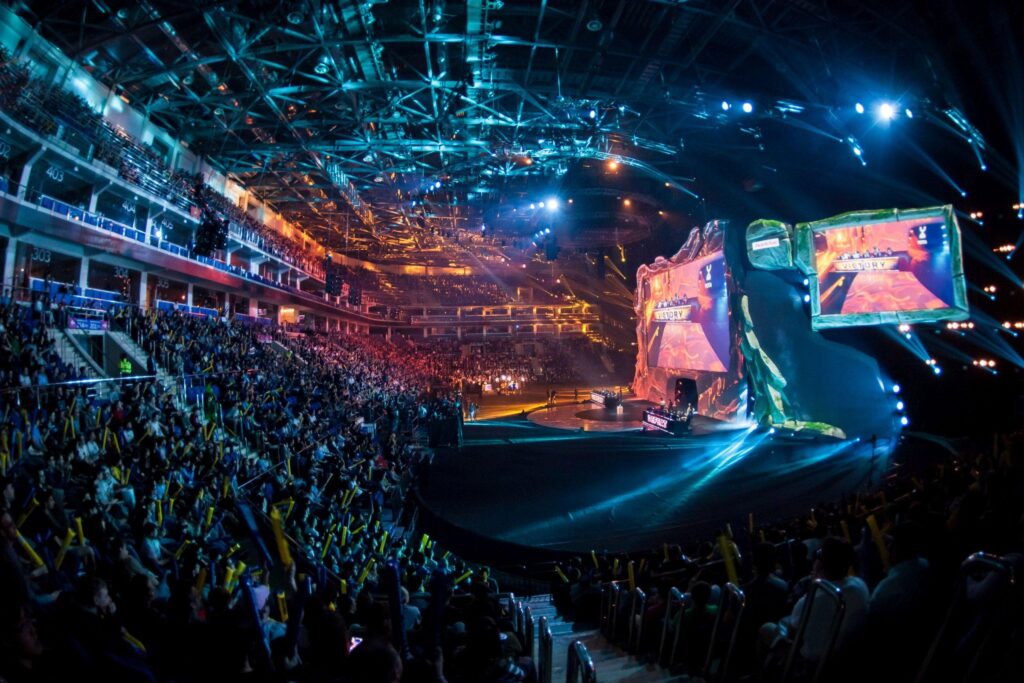
- Dota 2/CS:GO majors in Moscow (often held at jaw-dropping venues like Yota Arena) regularly pack thousands of screaming fans.
- Occasionally, IEM (Intel Extreme Masters) events are visited with international prestige.
Whether LAN or hybrid, these events are known for generous prize pools, energetic audiences, and broadcasts that reach well beyond Russia’s borders.
- Esports is legally recognized as a sport in Russia, with government-backed events and initiatives.
3. Popular Games Dominate the Stage
Whenever we talk about Russia esports events, certain titles always jump front and center.
- Dota 2 has cultivated die-hard loyalty, fueled by Team Spirit’s Cinderella run at The International, and local tours spark wild discussion even in small towns.
- CS2 is another staple; Russian squads are mainstays in global rankings, and Moscow’s LAN parties for Counter-Strike are legendary for both skill and atmosphere.
- Valorant and mobile games have carved out growing fan bases, bringing new faces into the fold at each event.
These games don’t just draw players; they build community, keep chat rooms buzzing all night, and even inspire homegrown mobile titles that sometimes sneak onto the main stage.
4. Notable Venues & Host Cities
It’s never just about the game; the setting makes the memory.
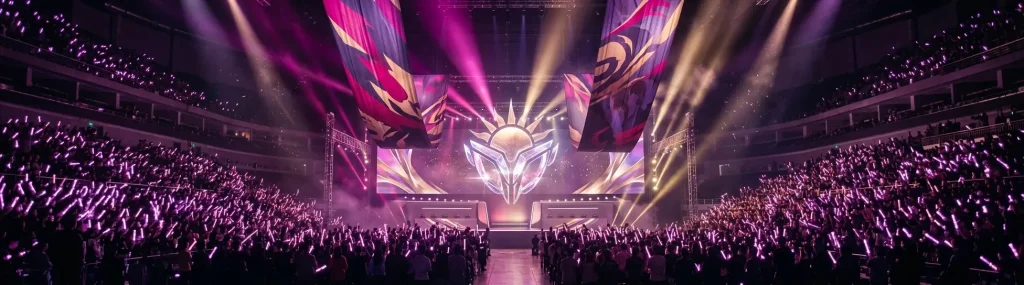
- Yota Arena in Moscow is iconic; every time we step inside, the energy hits, with high-tech lights and a layout designed for both players and fans.
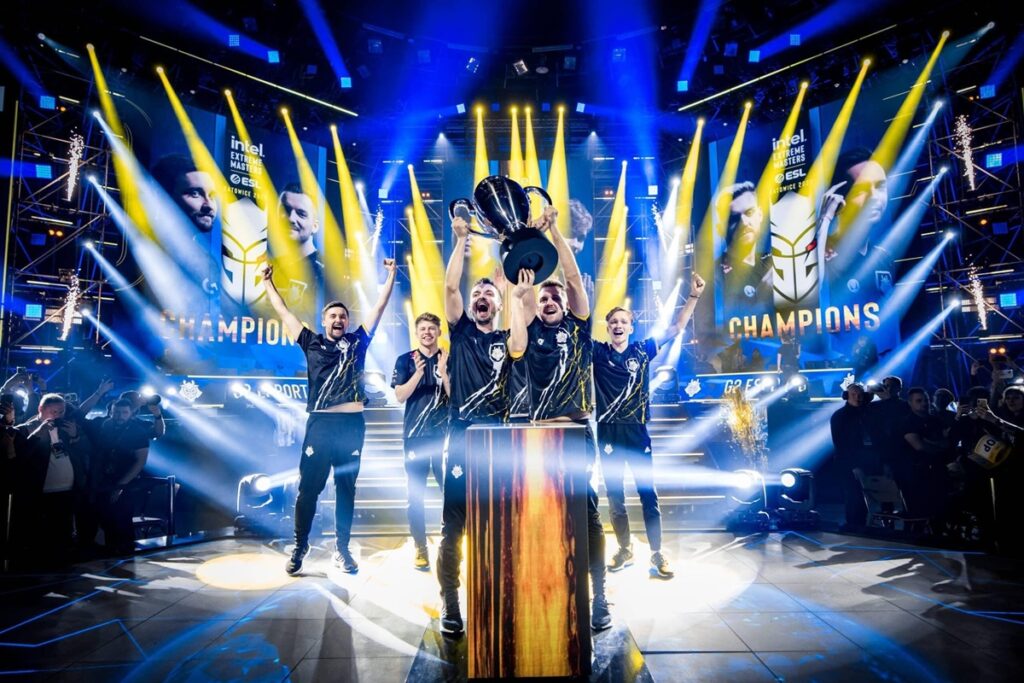
- Stadiums in St. Petersburg and Kazan are gaining a reputation for show-stopping production (think pyrotechnics and massive screens) and welcoming crowds.
- Even smaller cities are joining in, creating a true hospitality circuit.
These Russia esports events aren’t just event halls; they’re the beating heart of Russia’s competitive gaming calendar.
- Despite global tensions, Russia continues to invest in domestic esports growth and infrastructure.
5. Top Russian Teams & Esports Stars
Some teams and players have become household names, and not just in gaming circles.
- Team Spirit shocked the world at Dota 2’s The International, and their story is told everywhere from classrooms to late-night news.
- Virtus.pro has held a legendary status, netting big wins in CS:GO and Dota 2 with a roster that never fails to put on a show.
- Gambit Esports (including their Valorant and CS:GO divisions) regularly set off tournament buzz.
We still get chills recalling those clutch moments when a Russian underdog took down a world favorite. It’s these hero stories that keep kids dreaming and fans traveling across the country.
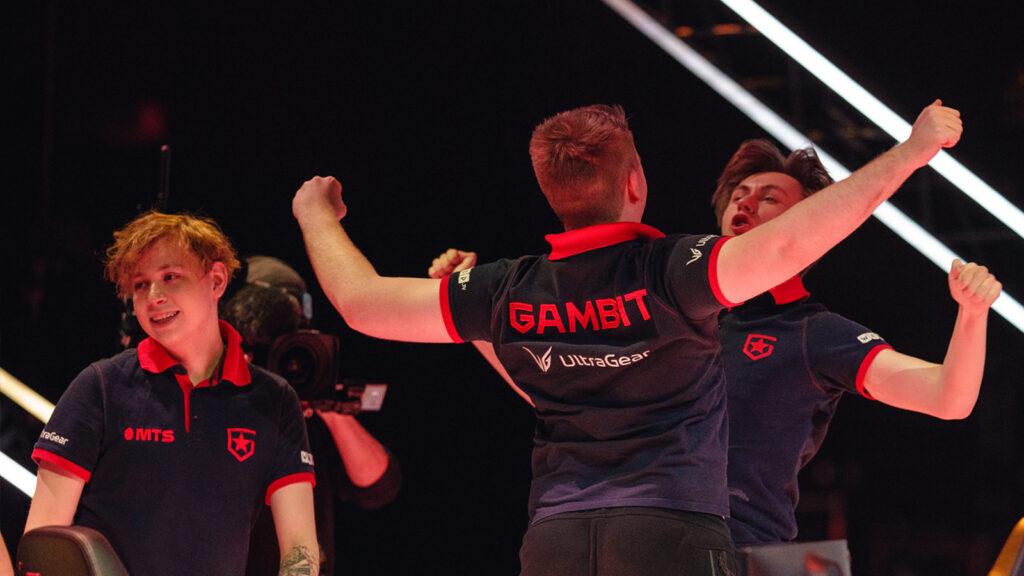
- They’ve earned around $5.85 million from 277 tournaments and won Valorant Masters Berlin 2021.
6. Event Experience: What to Expect as a Fan or Competitor
There’s nothing quite like the cheers of a packed stadium.
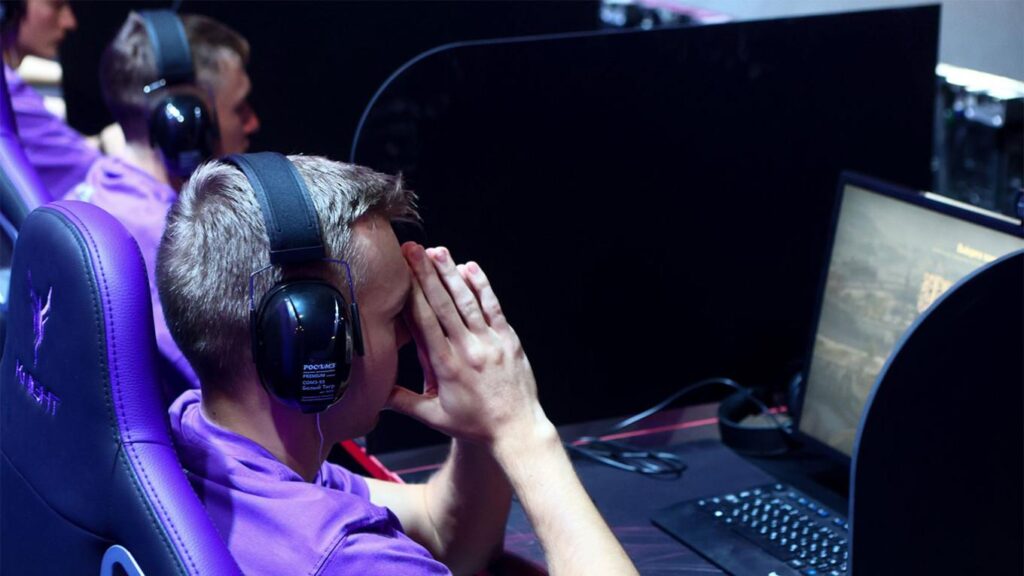
As attendees of Russia esports events, we’ve stood shoulder-to-shoulder with cosplayers, collected limited-edition merchandise, queued for pro player signatures, and joined chant circles erupting with every big play. For competitors, the backstage energy is electric; tech runs, quick practice, and chats with caster crews live on Twitch. If you’re only watching from home, Russian streams are chock-full of entertaining hosts and side events to join via chat.
Tips? Always check for online ticket sales, look out for open “community zones,” and don’t miss out on the exclusive merch drops!
7. Trends, Regulation & Growth in Russian Esports
The energy isn’t slowing down anytime soon.
Sponsorships are on the rise, with big brands and even government agencies supporting youth esports academies. New guidelines have appeared, shaping player eligibility and event conduct; something everyone, from management to fans, is closely watching. Political shifts and global discussions have led to some new rules for teams traveling out of the country, but for most local events, the scene feels as lively as ever and continues to grow with broadcast innovations and grassroots talent programs.
Tournova: Connecting Russia’s Esports Tournaments; From Community Roots to the Main Stage
Just as Russia esports events scene thrives on its ability to blend massive stadium spectacles with vibrant local LANs and digital broadcasts, Tournova empowers organizers and players to shape their own tournaments, right from familiar platforms like Telegram and Discord. Whether you’re running a grassroots community bracket for a new mobile title in Kazan or aiming for the polish of a flagship Moscow event, Tournova’s tools automate brackets, score reporting, and even prize distribution, taking the stress out of organization so everyone can focus on the thrill of competition.
- Mobile esports is rapidly expanding in Russia, with dedicated leagues for titles like PUBG Mobile and Free Fire drawing massive audiences.
Leveraging a transparent token economy, Tournova rewards both participation and skill, echoing the way Russian tournaments engage fans with prizes and recognition for every level of play. With Web3 integration, customizable tournament formats, and a flexible system designed for everything from quick local challenges to sprawling online events, Tournova is the bridge between the heart of grassroots gaming and the ambitious vision of Russia’s esports future. Whether you’re a player, an organizer, or a game developer hoping to shine on the growing Russian stage, Tournova makes it easy to get in the game and build authentic esports moments, online or off.
8. To Sum Up: Russia’s Place in Global Esports
The Russian esports scene might have roots that grew quietly, but you’ll notice its presence on leaderboards and on broadcast highlights around the world. What we’ve seen lately hints at a future full of new tournaments, homegrown talent, and crowds that refuse to quiet down. Whether you’re a future competitor or just looking for the next great match to stream, Russia’s esports events are a front-row ticket to the action. Have you attended Russia esports events, or do you wish you could? Share your stories, or your dream Russian event, in the comments below!
9. FAQs: Esports in Russia
1. Can you buy onsite tickets for major events, or is everything digital now?
Most big tournaments offer both, but online purchasing opens well in advance and can sell out fast, especially for grand finals.
2. Are there any community-run tournaments for new or lesser-known games?
Yes, smaller events and LANs pop up regionally all year, often spotlighting indie or local favorites before they break into the major scene.
3. What are the age restrictions for participants or audience members at Russian esports events?
A majority are all-ages, but certain titles (like mature-rated shooters) may limit participation or viewing to 16+ or 18+ only.
4. Is English commentary available during official Russian tournaments?
Increasingly, yes; major events like EPICENTER and Dota majors offer streams in English with international casters.
- Russia has pioneered “phygital” esports, blending physical and virtual competition.
—
Infographics:
Biggest Tournaments
- EPICENTER (Moscow): Legendary Dota 2 & CS:GO playoffs, huge crowds
- Russian Esports Championship: Multi-title, crowns the region’s best
- Dota 2/CS:GO Majors: Hosted in top venues like Yota Arena
- IEM Moscow: Occasional stop for the international circuit
Top Games on Stage
- Dota 2: Team Spirit’s Cinderella win fuels a national craze
- CS:GO: Massive LAN culture, passionate local teams
- Valorant & Mobile Titles: Growing fast, drawing new fans
Show-Stopping Venues
- Yota Arena (Moscow): Cutting-edge tech, electric atmosphere
- Kazan & St. Petersburg Stadiums: Big screens, pyrotechnics, all-day hype
Russian Teams & Stars
- Team Spirit: World champions, fan favorites
- Virtus.pro & Gambit Esports: Serious contenders in CS:GO, Dota 2 & Valorant