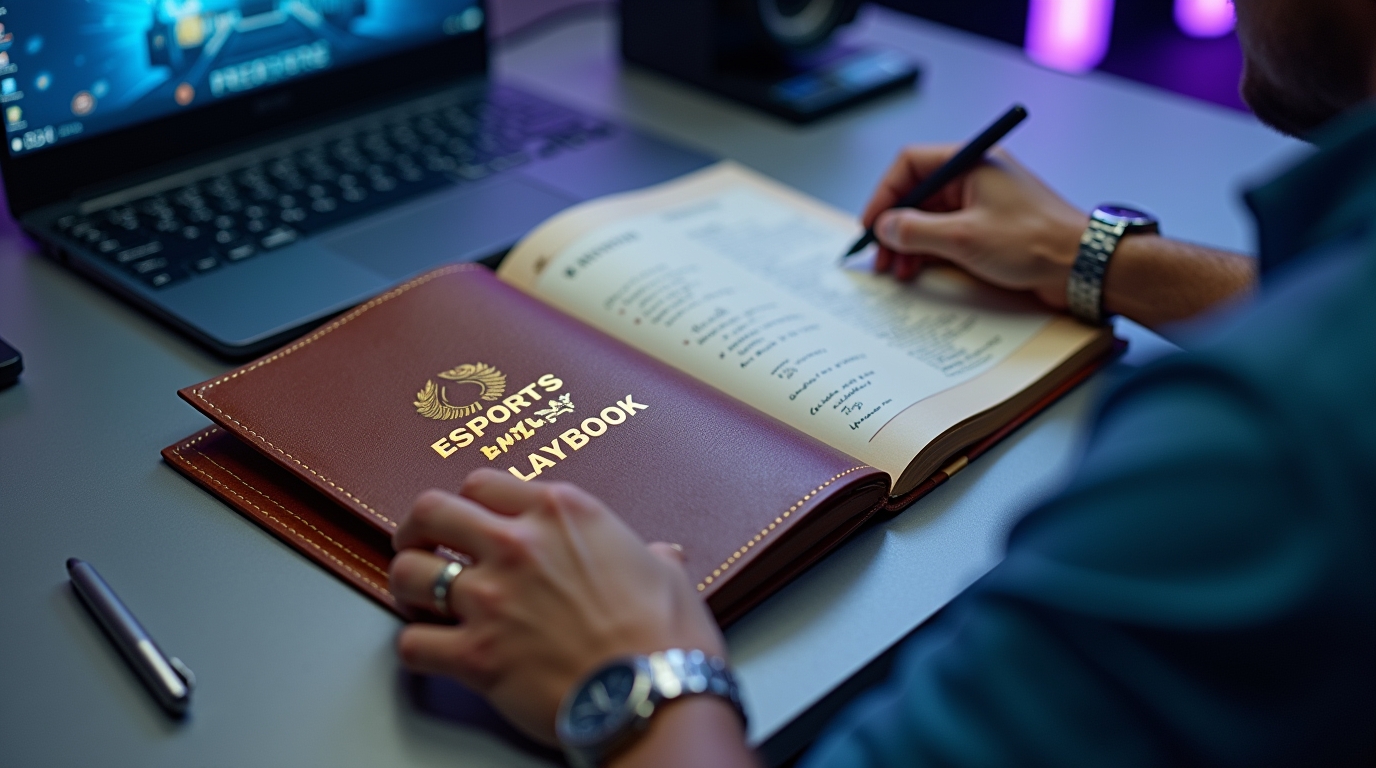

We’ve all watched that moment: a team, seconds from collapse, finds their second wind, flips the script, and suddenly they’re unstoppable. The cheers, the hugs, the raw “we did it!” energy; it almost always starts with someone calmly guiding from behind the screen. In modern esports, the coach isn’t just another set of eyes; the coach is the spark for teamwork, strategy, and even those practice-room laughs after a tough loss. Over the years, we’ve seen the role blossom from afterthought to cornerstone. Today, let’s pull back the curtain and step inside the world of the esports coach playbook.
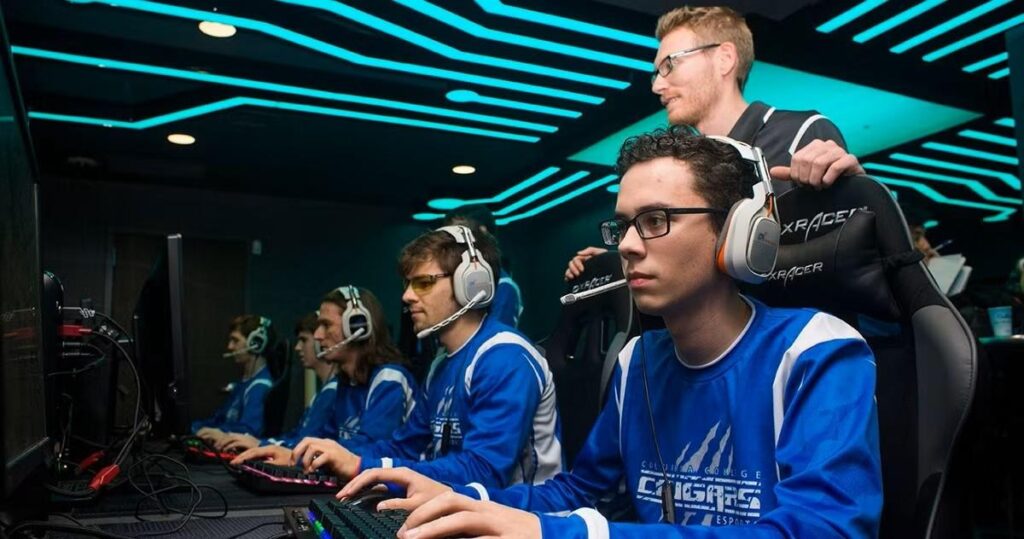
Esports Coach Playbook
Welcome to our walkthrough of coaching’s hidden art! Throughout these next steps, we’ll unpack how coaches plan, lead, problem-solve, and turn a bunch of talented players into a championship team; no secret handshakes required.
1. Introduction: The Rise of Esports Coaches
Step onto any major esports stage: League of Legends, Dota 2, Valorant, CS:GO, and it’s instantly clear: there’s someone in a team jacket behind the players, headset ready, pulse racing just as fast. Fifteen years ago, fans barely knew “coaching” existed in gaming. Now, we’re seeing seasoned leaders crafting pregame huddles, designing playbooks, and supporting players inside and out. Good coaches bridge the gap between raw skill and lasting teamwork. So, what goes into their playbook? Let’s chart the path together.
2. Who Becomes an Esports Coach?
Every coaching journey starts somewhere unique. Sometimes it’s a retired pro from Overwatch or CS:GO, ready to guide the next generation. Other times, it’s an analyst who nerded out on replays, or even a teacher who saw potential in after-school gaming. What unites great coaches is the mix: a deep grasp of the game, a knack for leadership, and the patience to nurture raw talent. Dash (Chris Myers) famously jumped from Rainbow Six Siege analyst to celebrated coach, proving that passion and people skills go hand-in-hand with know-how.
3. Preparing for the Season: Building the Foundation
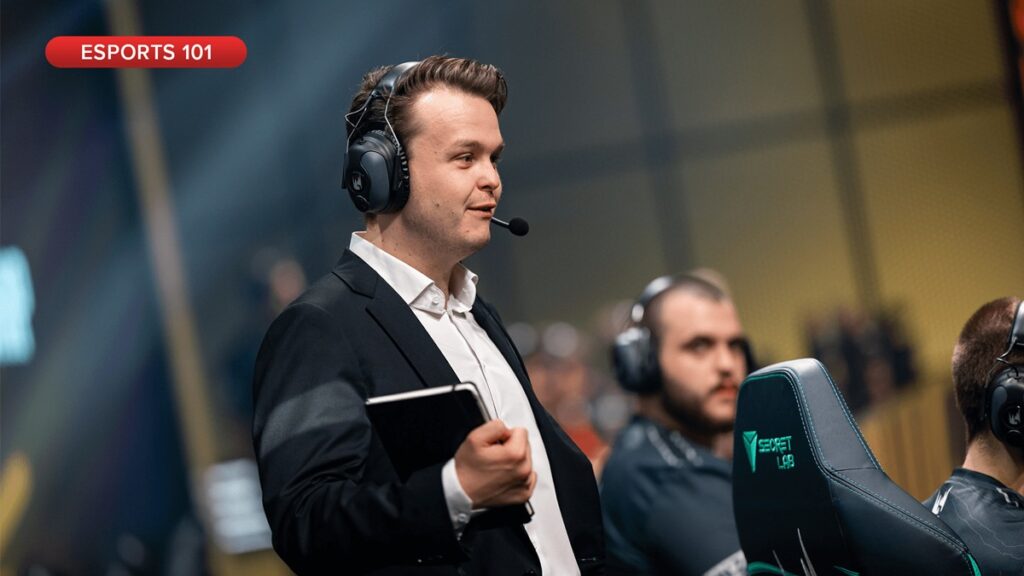
The off-season isn’t just for rest; it’s when the magic starts. While prepping for a new run, coaches dive into their esports coach playbook, setting up scouting, tryouts, and structured development plans. They’re looking for more than just lightning-fast reflexes; what matters most is attitude, hunger, and willingness to learn. Once a roster shapes up, goals get nailed down: maybe it’s breaking into the top five, finally defeating a rival, or mastering new team synergy. We’ve watched teams rally around a single shared goal, turning what looks like just another Discord call into a mission..
4. Practice Plans and Training Regimens
No two days are ever quite the same. It’s typical to start with warm-up drills, team aim training in Valorant, or custom map rehearsals in Dota 2. Then come scrims (those closed-door practice matches), peppered with pauses for VOD review, where everyone puts ego aside, rewinds a misplay, and finds ways to do better next time. Balance is key: not just grinding for hours, but mixing it up with communication drills, brief relaxation, and tactical workshops. Coaches who celebrate the little milestones, a slick new strategy, a well-coordinated call, know how to keep spirits high.
5. In-Game Leadership: The Coach’s Voice
Coaches are both strategists and cheerleaders. Before each match, they turn to their esports coach playbook, prepping players with maps, draft picks, and reminders about enemy habits (like that infamous smoke in Mirage, right?). During games, especially in leagues that allow live coaching (like the LEC for League of Legends during timeouts), coaches give quick pep talks, tweak strategies, or simply build confidence. Other formats, like major CS2 tournaments, restrict input during play, putting more pressure on timeouts for crucial advice. We’ve seen teams crumble or claw back victories, hinging on just a few words from the sidelines.
6. Tactics, Adaptation, and the Meta
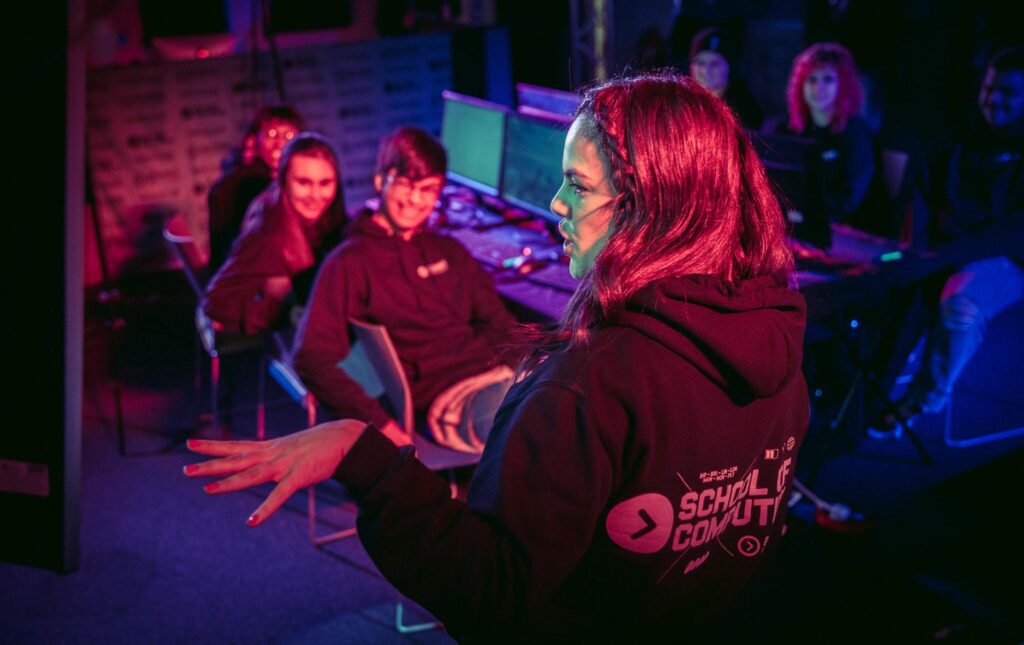
Games move fast. Patches come out, favorite heroes fall out of favor, and old tactics get countered overnight. Effective coaches are part detective, part inventor: they study upcoming opponents, break down patterns from previous matches, and cook up fresh counters. Think back to when teams started picking unexpected champions like Soraka top (League of Legends) or experimenting with Sage as a controller (Valorant); a nimble coach is always ready to ride the next wave or steer the team away from a dying meta. Sometimes you see it happen live: a team stumbles in the first round, then comes back swinging with a completely different look in game two.
7. Building Team Chemistry and Culture
Beyond the games, the real work is building trust. A core principle in any esports coach playbook is fostering team cohesion, because nothing beats a squad that actually enjoys scrimming together (and even losing together). Coaches set the tone with open post-match talks, clear conflict resolution, and regular team-building activities. One Dota 2 squad we followed had pizza nights after tough losses; simple, but those laughs healed the sting and kept spirits high. The best coaches aren’t just problem-solvers; they’re champions of each player’s well-being, watching for burnout and keeping support channels open..
8. Developing Individual Players
Spotting raw talent is just the start. A coach’s real power comes from helping every individual reach their next level: dedicating side sessions for a struggling support, crafting feedback tailored for a mechanically gifted prodigy, or gently nudging a shy player toward a shot-calling role. We’ve seen rookies who, in just a split second, went from shaky nerves to MVP caliber, all because a coach believed in their potential. That personal touch, the right words at the exact right moment, can change a career.
9. Working with Support Staff
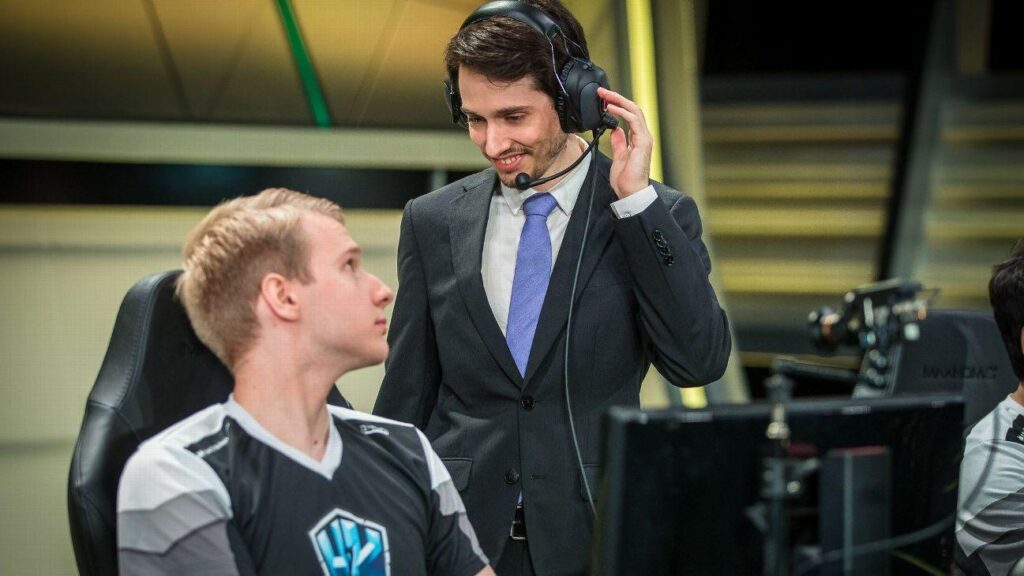
Modern teams work like small companies, not solo flights. Alongside the coach, you’ll find analysts crafting enemy scouting reports, assistant coaches running drills, and even wellness experts checking on sleep and nutrition. It’s all about collaboration. One standout moment was during a major LAN event: while the main coach managed nerves and logistics, the analyst caught a hidden strat on video review, passing it on mid-series. Wins like this are truly shared.
10. Overcoming Common Challenges
Let’s be honest: every team has its downs. Burnout after endless patches, drama over failed scrims, patch notes that nuke half the playbook; these are part of the grind. An essential lesson from the esports coach playbook is that coaches who weather the storm do it by keeping routines flexible, adjusting goals, and sometimes just calling a timeout to remind everyone why they love the game. We remember hearing about a school team who, after a string of losses, paused practice for a group outing; fresh air and fresh minds, and soon enough, fresh wins. Clear, patient communication remains the backbone, particularly when working with students and navigating parent or faculty concerns.
Tournova: Tools for Coaches to Shape Teamwork and Growth
Effective coaching in esports relies on structured practice, fair competition, and the right digital tools to guide teams and track progress. Tournova’s platform on Telegram and Discord helps coaches manage tournaments easily, with automated registration, bracket management, and real-time result reporting, so more time can be spent on team-building and focused feedback. Coaches can customize tournament formats and rules, making it simple to structure both scrims and official matches accessible for different skill levels.
Additionally, Tournova’s internal token economy allows organizers and coaches to reward individual and team achievements, like practice milestones or positive behavior, with digital tokens. These can be used for entering special events or gaining access to advanced features, motivating players beyond the scoreboard. By streamlining logistics and adding meaningful incentives, Tournova helps coaches focus on what matters: player development, team chemistry, and the pursuit of collective success.
11. Closing Up: Coaching for Growth and Victory
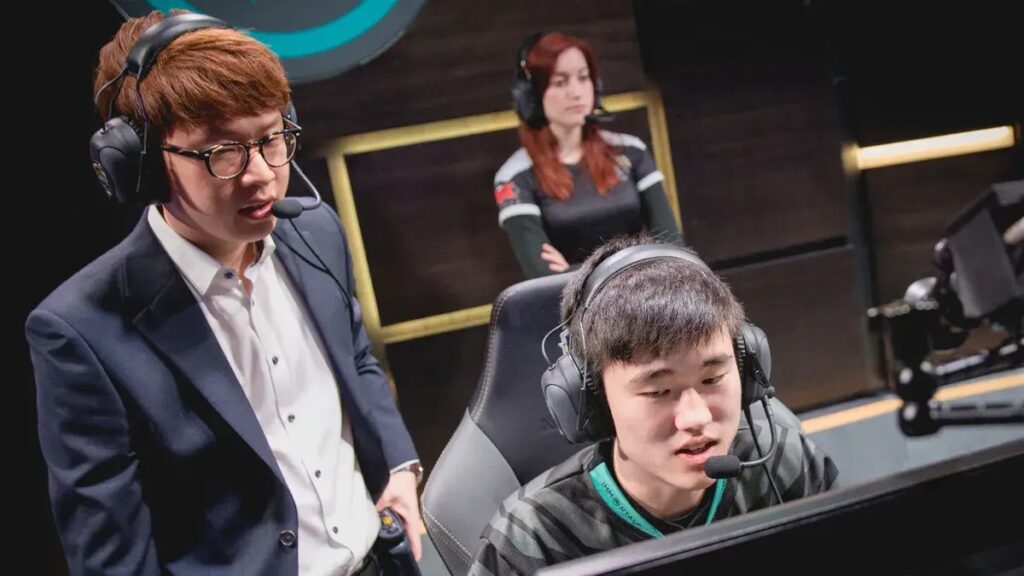
Looking back, the real measure of a successful esports coach isn’t just the trophies, though we’ll never say no to a shiny cup. It’s seeing players grow in confidence, teams become families, and underdogs believe in their shot. The esports coach playbook isn’t just about strategies and scrims; it’s about building people. Coaching adds color, structure, and grit to the esports world, and we’re all better for it. If you’re curious, inspired, or ready to jump in, know there are resources, mentors, and communities eager to help. Every great team starts with someone willing to guide from the sidelines. Who knows? The next big win might begin with you.
12. FAQs: Esports Coaching
1. What credentials or certifications do top esports coaches hold?
While some hold coaching certifications (like those from Esports Coaching Academy or Riot’s development programs), many get their start through experience, either as players or team managers, before earning advanced qualifications.
2. Do coaches ever get involved in talent scouting or player recruitment?
Absolutely. Most head coaches are directly involved in choosing roster members, holding tryouts, and networking to spot up-and-coming talent for future seasons.
3. How do esports coaches adapt to language or cultural barriers in international teams?
Teams often appoint translators or cultural liaisons, hold multilingual meetings, and foster open discussion about communication needs to build true team unity.
4. What’s the best way for beginners to get coaching experience?
Start by volunteering for local community teams, organizing small tournaments, or even leading a club at your school. Building hands-on experience is the surest path to bigger gigs.
Infographics:
Why Coaches Matter
Esports coaches turn raw skill into true teamwork, bridging personalities and shaping strategy. Their leadership transforms talented lineups into championship squads, on stage and off.
Who Becomes a Coach?
Ex-pros, analysts, and dedicated mentors; great coaches mix deep game knowledge with real people skills. Some start as classroom leaders, others as replay nerds, but passion and empathy unite them.
Building the Team
Preseason is more than picking stars. Coaches scout attitude and drive, run tryouts, and set goals everyone buys into, creating a mission, not just a roster.
Running Practices
Training blends warm-ups, drills, scrims, and VOD reviews. Top coaches balance tough feedback with positive energy, celebrate improvements, and know when to switch gears or have a laugh.
In-Game & Beyond
Coaches craft tactics, study opponent trends, and teach teams to adapt to meta shifts. Some step in for pep talks during timeouts; others watch and advise between rounds, always fueling confidence.