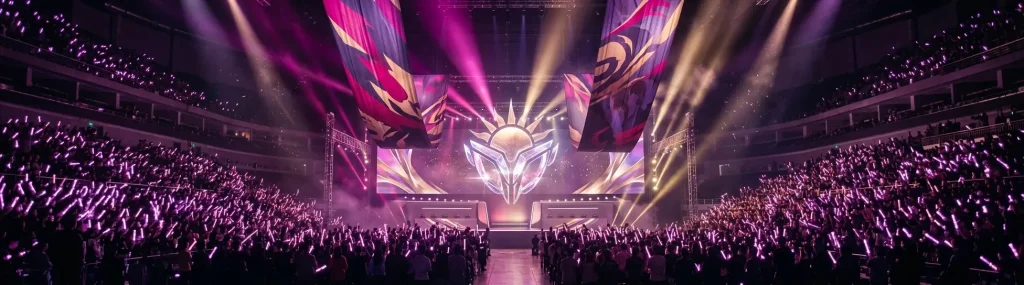

Not long ago, we’d squeeze onto tiny couches or huddle in busy internet cafés just to watch our favorite gamers compete through pixelated livestreams. Now, scenes with massive stadiums, flashing lights, and roaring fans are common; esports events today are nothing short of spectacular. But making these spectacles happen? That’s a wild ride powered by careful planning, heart-pounding chaos, and countless unsung heroes. Let’s see how esports organizers manage events!
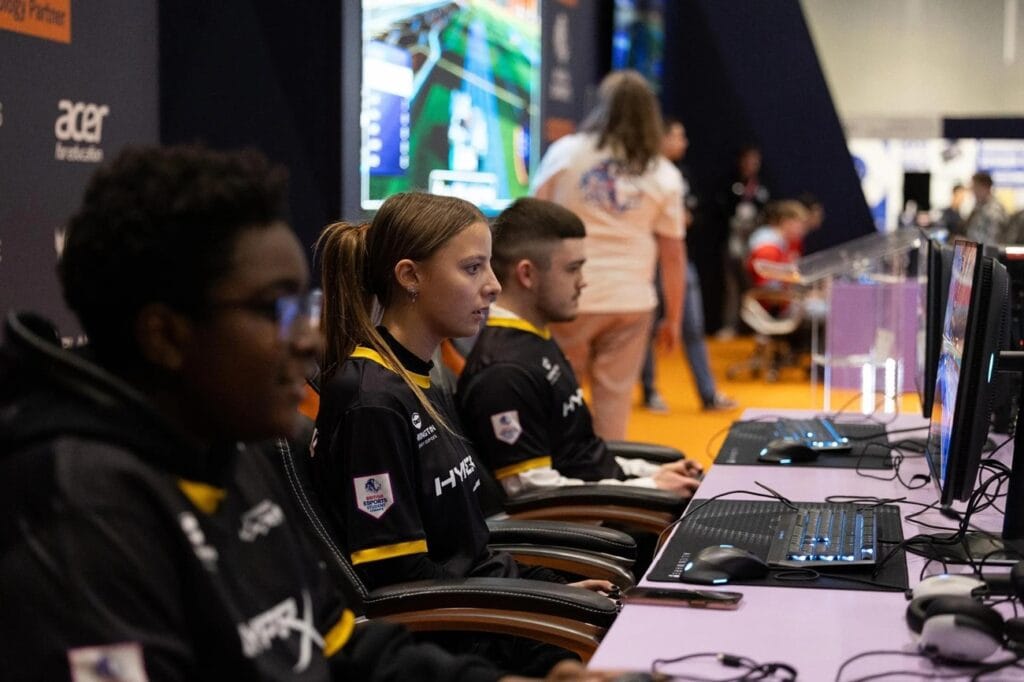
How Esports Organizers Manage Events
Whenever we dive into the world of esports, it’s easy to get swept up in the plays and the drama. But behind every epic moment sits an intricate web of organizing magic. Let’s take a walk through the real steps, no shortcuts, no smoke and mirrors, of how esports event management actually happens.
1. Introduction: Why Esports Event Management Matters
Stepping into an esports event nowadays feels like joining an epic festival; a mashup of gaming, sport, entertainment, and global community passion. None of this springs up overnight. Expert organizers are the glue, making sure every player gets on stage, every click is captured, and every fan is right there in the action.
Having peeked behind the curtain at a few events ourselves, we’re always blown away by the countless moving pieces and dedicated folks that make it all click.
2. From Idea to Arena: The Planning Phase
Brainstorms can start anywhere: a publisher’s boardroom, a startup’s basement, even a Discord call gone wild. Organizers will choose which games have the biggest pull (think VALORANT, League of Legends, Counter-Strike), pick a venue or online format, and figure out their dream audience. Budgeting gets downright scrappy as they estimate everything from prize pools and venues to confetti cannons.
When it comes to how esports organizers manage events, schedules are mapped out months in advance, tying together teams, partners, streamers, and sponsors. We’ve seen planners pin walls with sticky notes, whiteboards covered in arrows, and spreadsheets so detailed they’d make your head spin. From the start, every detail matters.
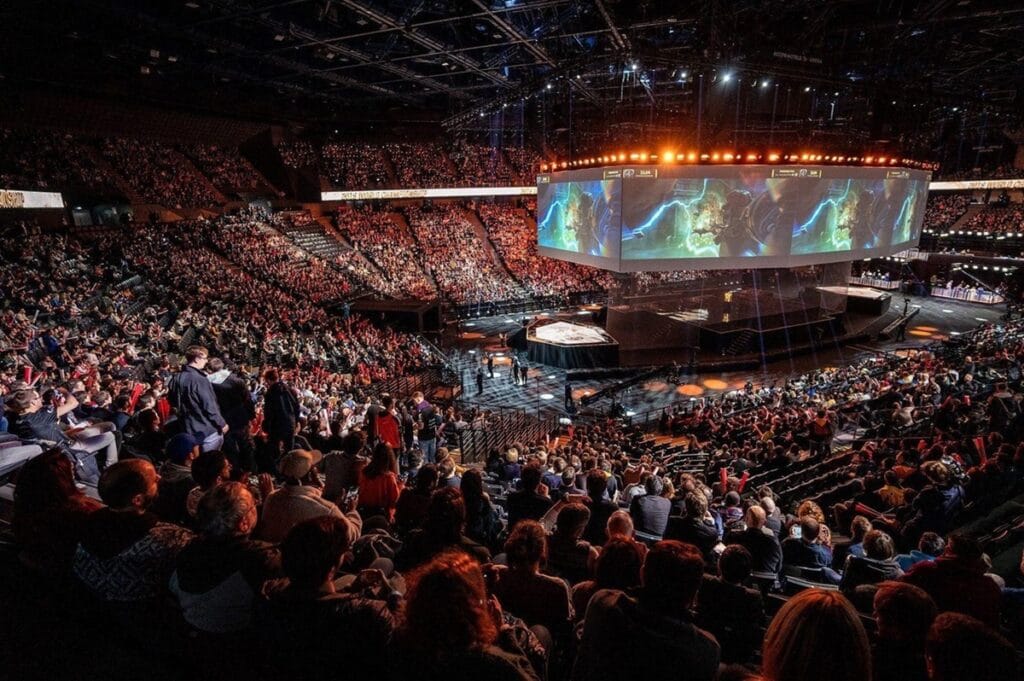
3. Securing the Essentials: Venues, Platforms, and Technology
Next comes location, location, location! Some events transform iconic arenas or expo halls, while others go entirely online; each setting its own set of wild challenges. For in-person shows, venue scouts juggle stage size, internet strength, and even the best nearby pizza joints for late-night team runs.
With online tournaments, digital platforms like FACEIT or Battlefy become the battleground. Organizers stress-test servers, double-check internet backup plans, and make sure every PC and connection can handle the heat. There’s always a backup plan, sometimes three. We’ve watched frantic tech crews, headsets on, juggling a hundred moving parts.
4. Building the Bracket: Tournament Structure and Rules
Every great competition lives and dies by its tournament format. Do you go old-school single elimination? Grueling group stages? Swiss rounds? Each format gives a different story; some create underdog upsets, others build epic rivalries. Rulebooks are drawn up and pored over. Organizers work closely with publishers for fair play codes and anti-cheat systems.
In the context of how esports organizers manage events, we remember one event where a last-minute patch forced organizers and teams to rework strategies overnight; a testament to the need for clear, adaptable rules.
5. Team and Player Coordination
Even after invites go out, it’s a whirlwind. Teams register (sometimes at the buzzer), qualifying matches heat up, and player visas or travel plans can chew up entire days of effort. Organizers coordinate with managers to set up practice areas, book hotels, handle dietary needs (energy drinks aren’t meals!), and create detailed schedules to keep everything ticking.
It’s not unusual to witness a volunteer dashing through corridors, headset crackling: “Team A is late for warm-ups! Where are they?!”
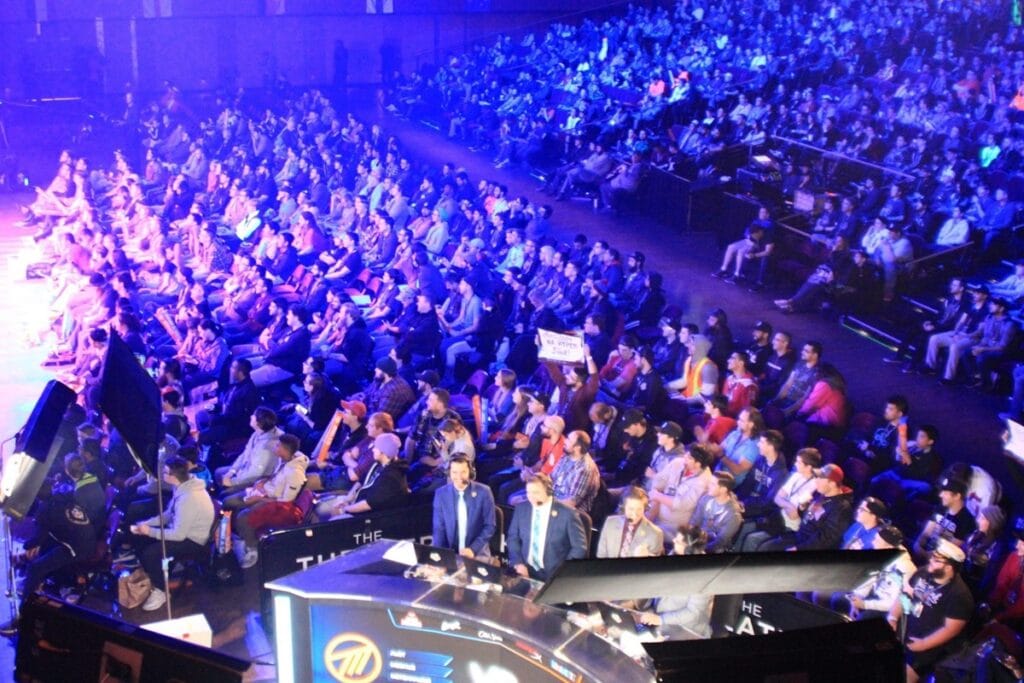
6. Broadcasting and Production: Creating a Spectacle
Lights, camera, adrenaline! What fans see on Twitch or YouTube is built by a small army: production crews, camera ops, stagehands, sound techs, and shoutcasters whose energy electrifies the show. Organizers script hype reels, design on-screen graphics, and build arenas that feel straight out of sci-fi.
We’ve stood in awe watching these crews tear down and rebuild setups overnight, making sure every camera angle is perfect by dawn. Between bold intros, fan cams, and backstage content, every moment is crafted for maximum excitement.
7. Sponsorships, Partnerships, and Monetization
In the context of how esports organizers manage events, sponsorships are the lifeblood. Organizers pitch brands on why their event is the one. Media rights, merch, ads during streams, ticket sales; every bit helps power those massive prize pools and jaw-dropping stages. Branding integration matters too: We’ll never forget the year a sponsor’s logo blazed across an entire arena wall, visible to millions worldwide.
Often, revenue also flows from digital goods; think unique in-game skins, fan badges, or VIP passes, all curated to make fans feel like part of the show.
8. Event Day: Operations, Support, and Crisis Management
Event day hums with energy (and caffeine). The crew arrives early for last-minute checks, teams check in, and rehearsals run right up to showtime. Behind the scenes, a control center monitors every match, quickly handling issues as they pop up; weather delays, hardware crashes, you name it.
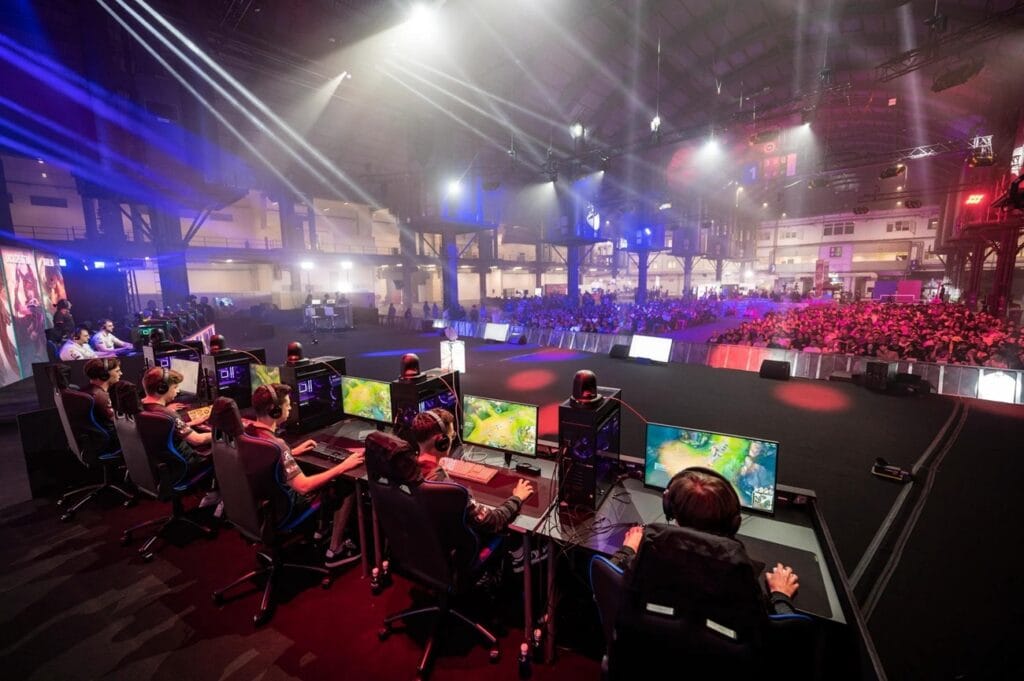
One year, the lights flickered during a finals match. Organizers sprang into action, running back-ups and communicating fast so the magic didn’t skip a beat. That’s the art of live crisis management; keeping the show on the rails no matter what.
9. After the Matches: Post-Event Review and Community Engagement
When the trophies are lifted and confetti settles, the job isn’t done. Results must be verified, prizes paid, and crowds thanked. Organizers rush to share official stats, highlight videos explode across socials, and surveys go out to teams and fans alike.
Debriefs with sponsors and broadcasters spotlight what worked and what didn’t; fuel for even bigger next events. We’ve watched organizers hang late into the night, already dreaming up new surprises.
Tournova: Making Esports Event Management Effortless for All
When it comes to how esports organizers manage events, you must know that behind every great esports tournament, whether small, local, or global, are organizers juggling sign-ups, brackets, live updates, and fair prize distribution. Traditionally, managing all this required multiple tools and a lot of manual effort. Tournova transforms this experience by bringing everything tournament organizers need onto Telegram and Discord, two platforms loved by gamers. The Tournova bot automates bracket creation, player matching, real-time result reporting, and even handles prize payouts with blockchain-backed transparency. Thanks to simple, customizable settings, event organizers can easily design tournaments for casual fun or serious competition, all within a familiar chat environment.
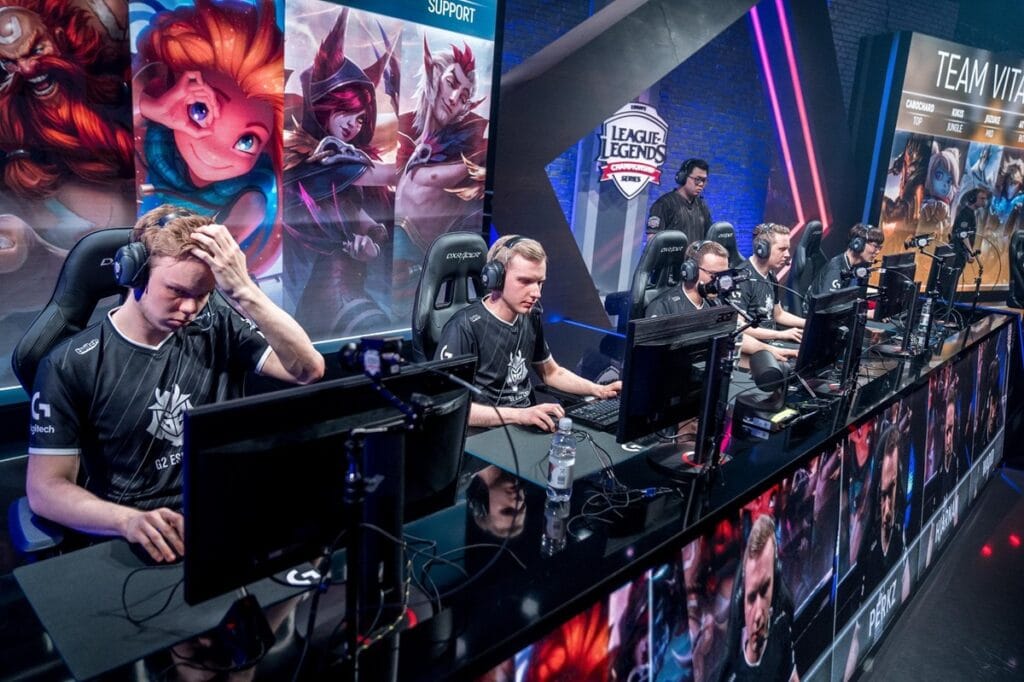
But Tournova isn’t just about logistics; it’s about fostering communities and rewarding engagement. The platform’s innovative token economy means players and organizers earn tokens by participating or hosting events, which can be used for premium tournaments, digital items, or even auctions. Transparent, automated tools and flexible tournament formats give organizers the freedom to focus less on operations and more on creativity and community growth. By lowering the barriers to professional, fair, and exciting event management, Tournova empowers organizers of every level to create memorable experiences without the chaos.
10. Final word: The Art and Science of Esports Event Management
Each esports event is a symphony: part science, part chaos, all passion. Organizers do more than book venues; they build memories, unite fans, and showcase gaming’s true magic on a global stage. Every event is a learning experience, and it’s these tireless efforts that push esports forward, one epic match at a time. Why does it matter to know how esports organizers manage events? Because when everything clicks, it’s unforgettable; for the fans, the teams, and everyone who ever picked up a controller and thought, “Maybe, just maybe, that could be me one day.” If you’ve ever wondered how the magic happens, now you know: it’s the artful chaos of organization, the joy of community, and a bunch of unsung heroes making every match possible. Tell us, what part of esports events would you love to see up close?
FAQs
1. What jobs exist behind the scenes at an esports event besides the obvious ones?
There are roles for everything from tournament admins and IT specialists to talent coordinators, hospitality managers, and even wellness or medical staff for players and fans.
2. Can you attend esports events as a fan even if you’re not a gamer yourself?
Absolutely! These events are welcoming spaces for everyone; families, friends, and even those new to gaming often find themselves caught up in the energy and fun.
3. How far in advance does planning for a major esports event usually start?
Big events are often in the works six months to a year (or more) ahead; sometimes teams begin pre-production years before the big day.
4. What happens if unexpected problems delay a tournament?
Organizers have contingency protocols, backup servers, alternate schedules, and trained emergency teams, so that events can adapt quickly and keep fans engaged.